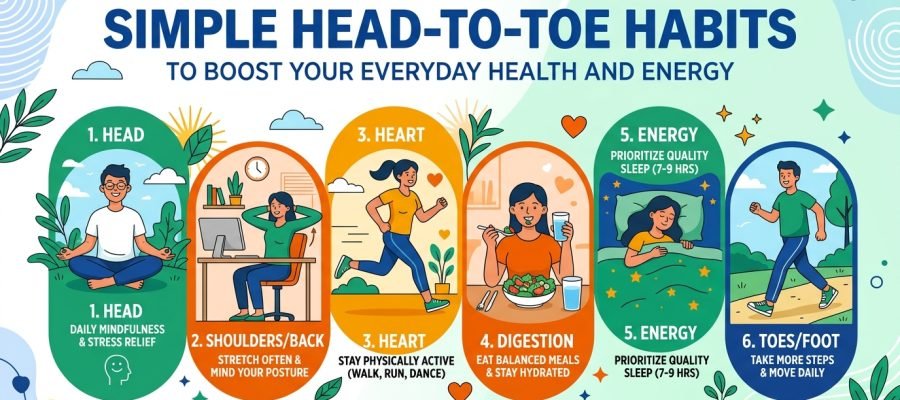

Busy parents juggling work, caregiving, and basic self-care often end the day feeling drained, wired, or both, even when “nothing is wrong” on paper. The core tension is that most health advice treats the body in parts or demands an overhaul, while real life leaves little time for complicated plans. A more practical answer is head-to-toe wellness: holistic health strategies built from everyday self-care routines that fit into normal days and compound into general health improvement. With consistent daily well-being habits, energy and steadier resilience become more predictable.
Head-to-Toe Habits You Can Repeat All Week
These small, repeatable habits work because they reduce daily friction and support your body from morning to bedtime. Pick one or two to start, then stack them slowly so they feel automatic instead of overwhelming.
Five-Minute Morning Stretch
- What it is: Do a few minutes of stretching daily focusing on the neck, shoulders, hips, and calves.
- How often: Daily
- Why it helps: Loosens stiff joints and makes movement feel easier all day.
Hydration Anchor Habit
- What it is: Drink a full glass of water after waking and with each meal.
- How often: Daily
- Why it helps: Supports steadier focus and reduces “tired but thirsty” headaches.
Two-Minute Downshift Breathing
- What it is: Keep morning stretches gentle style breathing: slow inhale, longer exhale, relaxed jaw.
- How often: Daily, especially after stressful moments
- Why it helps: Signals safety to your nervous system and lowers stress reactivity.
Sunscreen Before Shoes
- What it is: Apply broad-spectrum SPF 30 to face, ears, neck, and hands.
- How often: Daily
- Why it helps: Protects skin from cumulative sun damage and premature aging.
Brush, Floss, Rinse Reset
- What it is: Brush two minutes, floss once, then rinse with water.
- How often: Daily
- Why it helps: Supports gum health and reduces inflammation triggers.
Align Work With Well-Being: A Practical Path Back to Purpose
Career fulfillment matters for overall well-being: when your job feels aligned with your values and strengths, it can support mental health in the same way work-life balance does, by reducing ongoing stress and adding a sense of purpose to your week. If your current role no longer fits, going back to school can be a practical way to strengthen skills, pivot yourself into a new field, or improve your career trajectory with more options for growth. Many people start by choosing from an array of accredited online programs; for instance, you can easily find online healthcare programs if you want to work in healthcare administration, get the layout here. Whatever direction you choose, online programs can be ideal for working professionals because they let you keep earning while you learn.
Everyday Health Habit Questions, Answered
Q: How can I boost energy without relying on caffeine all day?
A: Start with basics your body actually uses for fuel: water, protein at breakfast, and a 5-to-10-minute walk outdoors. If you hit an afternoon slump, try bright light plus movement before reaching for another cup. A short posture reset and a few shoulder rolls can also reduce that “heavy head” feeling.
Q: What is the simplest stress reduction strategy I can do anywhere?
A: Slow breathing is a reliable first step because it quickly signals safety to your nervous system. Practicing deep breathing for 60 to 90 seconds before a meeting or after a tense email can lower the intensity of stress so you can respond, not react.
Q: How do I improve sleep quality when my mind keeps racing at night?
A: Set a 10 minute “brain dump” earlier in the evening to park worries on paper, then keep the bedroom as boring as possible. Try a consistent wind-down cue like dim lights and the same calming playlist. If you wake up, avoid clock-checking and return to slow breathing.
Q: Why do my healthy routines fall apart during busy workweeks?
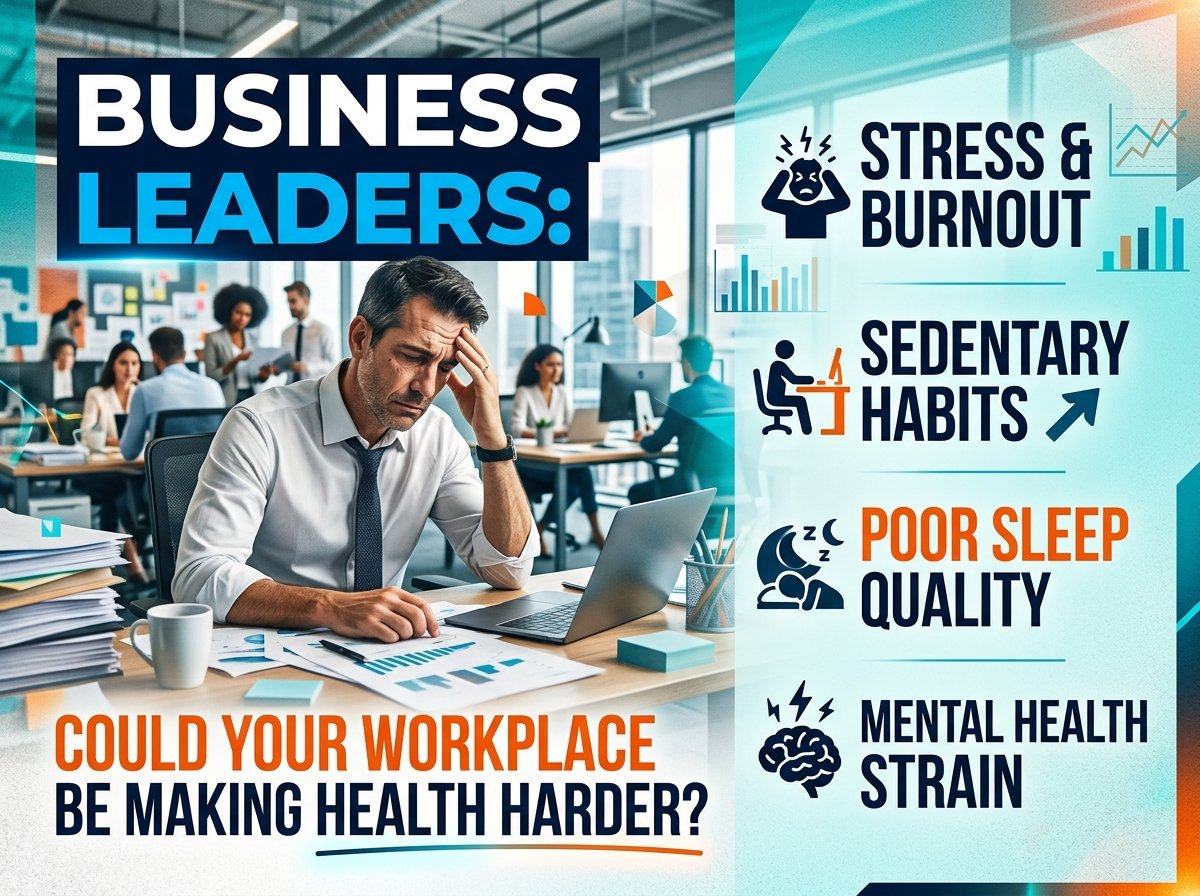
A: High stress drains attention and makes even small choices feel harder. Many people are juggling this with experiencing work-related stress every single day, as reported by almost half of American workers in a Gallup study. Reduce friction by pre-committing to “minimums” like two minutes of stretching or a packed snack.
Q: Can improving my health really help me feel clearer about career direction?
A: Yes, because steadier sleep, movement, and stress skills often improve focus and decision-making. When your baseline energy is more stable, it is easier to notice what tasks drain you versus motivate you. A practical next step is tracking your energy after key work activities for one week.
How to Make Simple Health Habits Stick Daily
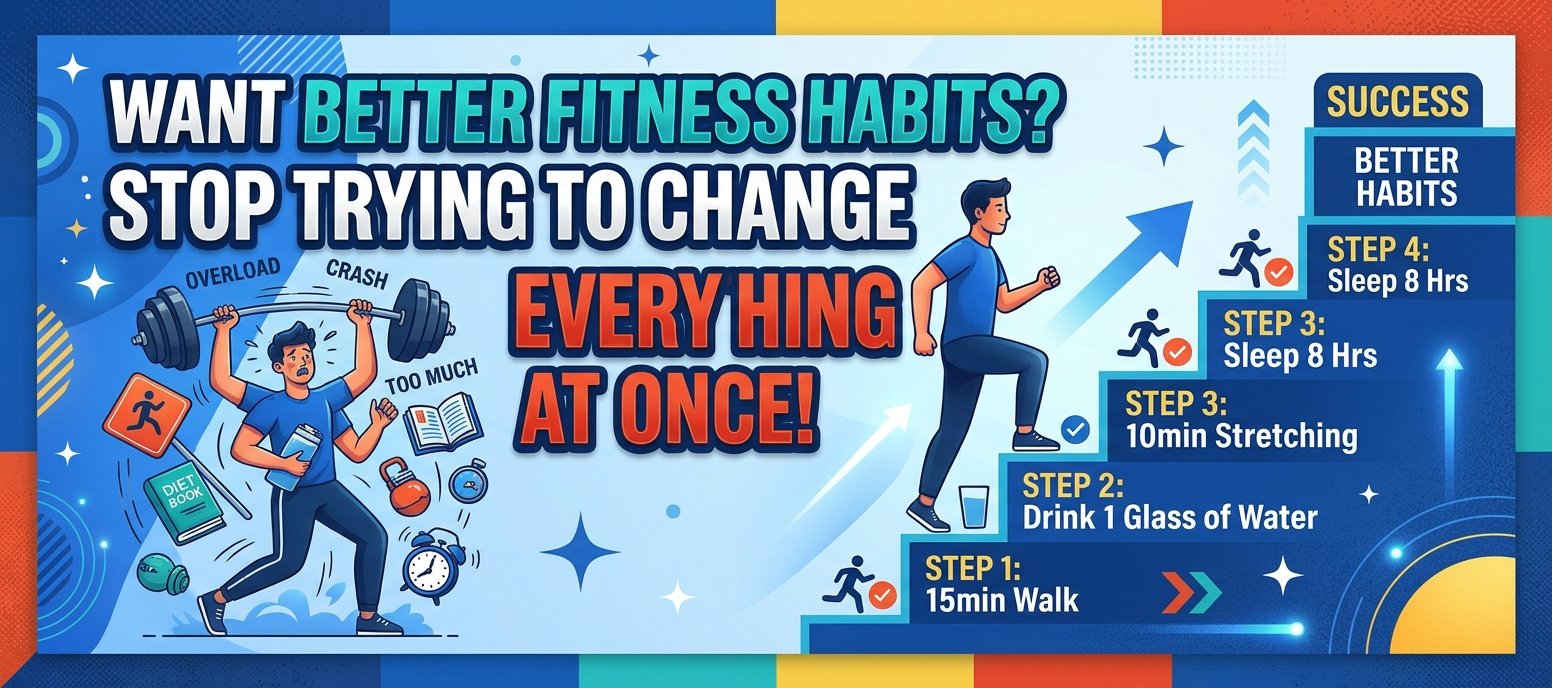
This process helps you translate a few head-to-toe habits into a consistent schedule you can actually keep. For busy everyday life, structure matters because it reduces decision fatigue and makes self-care feel automatic.
- Pick one daily anchor you already do
Start with a “can’t miss” moment like brushing your teeth, starting your computer, or eating breakfast. Attach one small habit to it, such as a glass of water, a protein-first bite, or 60 seconds of slow breathing. Anchors work because they piggyback on something your day already guarantees. - Create a tiny habit stack (2 to 3 minutes total)
Bundle two or three actions in a fixed order, keeping the whole stack short enough to do on your worst day. Example: water, then a 5-minute outdoor walk, then a quick posture reset. Keeping it small protects consistency while your brain learns the sequence. - Set one reminder that removes thinking
Use a single alarm or calendar block with a clear label like “walk + light” or “breathing reset,” then place it where you will see it at the right time. Make the reminder specific to context, such as right after lunch or when you close your laptop. This turns good intentions into a prompt you can follow even when stressed. - Choose realistic weekly minimums, not daily perfection
Decide what “enough” looks like for the week, then spread it across your schedule. The American heart association guideline of 150 minutes of moderate activity per week can be met with short walks most days rather than long workouts. Weekly targets make it easier to recover from a missed day without quitting. - Step 5: Review once a week and adjust the friction
On the same day each week, ask: What felt easy, what kept getting skipped, and what can I simplify? If you are still building consistency, remember the median time for a new habit to feel automatic is measured in weeks, not days, so your job is to keep the bar doable. Adjust by shrinking the habit, changing the time, or tying it to a stronger anchor.
Sustaining Everyday Energy With Small Head-to-Toe Health Habits
When life is busy, health goals often collapse under all-or-nothing thinking, and motivation fades when results feel slow. The more reliable path is the one you’ve practiced here: simple health habits anchored to your day, adjusted gently over time, and guided by the mind-body connection rather than willpower alone. Done consistently, these small choices improve sleep, mood, and physical comfort, building long-term health benefits that make sustainable well-being feel realistic. Small habits, repeated daily, create the strongest foundation for lasting health.
Please review our business on Google Yelp Facebook
Please visit our Members’ Area to access 100s of health and fitness topics and
Join Our Community to access shared knowledge, tips, tutorials, industry insights, and diverse viewpoints that aren’t easily found elsewhere.
Did you know you can work out and exercise with a trainer at your home, office, hotel room, or anywhere in the world with online personal training?
Like us on Facebook/Connect with us on LinkedIn/Follow us on X Instagram/YouTube/Pinterest
Make sure to forward this to friends and followers!