


Have you noticed that getting out of a chair, carrying groceries, climbing stairs, or getting up from the floor isn’t quite as easy as it used to be?
These everyday activities rely on something many people take for granted: muscle strength.
As we age, maintaining muscle becomes increasingly important. Muscle mass and strength can gradually decline over time, particularly when we become less physically active. This can affect balance, mobility, physical function, and our ability to remain independent.
The good news? Your muscles can respond to resistance training at virtually any age.
Whether you’re 50, 60, 70, or beyond, it’s never too late to work on becoming stronger.
Why Maintaining Muscle Matters as We Age
Muscle strength plays an important role in how we function every day. Strength training isn’t just about looking fit or lifting heavier weights. It’s about maintaining the physical abilities that allow us to enjoy life.
Here are five important benefits of maintaining muscle as we get older.
- Maintain Independence
Think about the everyday activities you want to continue doing without assistance:
- Getting up from a chair.
- Carrying groceries or household items.
- Climbing stairs.
- Getting in and out of a vehicle.
- Gardening and completing household chores.
- Playing with children and grandchildren.
These activities require strength. Regular resistance training can help maintain the muscle capacity needed to perform them.
- Support Better Balance and Stability
Muscle strength contributes to balance and stability.
Stronger legs, hips, and core muscles help support everyday movements such as walking, standing, turning, and stepping over obstacles.
Combining strength training with appropriate balance exercises can help older adults maintain physical function and reduce fall risk.
- Help Maintain Bone Health
Resistance exercises place controlled demands on muscles and bones.
When performed appropriately, weight-bearing and resistance exercises can help support bone health. This is especially important as we age and become more vulnerable to bone loss.
- Support Metabolism and Healthy Body Composition
Muscle tissue plays a role in how your body uses energy.
Maintaining muscle mass supports physical function and helps preserve a healthy body composition. Strength training, combined with balanced nutrition and regular physical activity, can be an important part of maintaining a healthy lifestyle.
- Improve Confidence and Quality of Life
There’s something rewarding about realizing you can do something today that was difficult a few months ago.
Maybe you can climb stairs more comfortably, carry heavier groceries, or get out of a chair with greater ease.
Those improvements matter.
Building strength can help you feel more capable and confident in your everyday activities.
You Don’t Need a Gym to Build Strength
One of the biggest misconceptions about strength training is that you need an expensive gym membership or complicated equipment.
You don’t.
You can begin with simple exercises using your body weight, resistance bands, or light dumbbells.
Here are five exercises worth considering.
- Chair Squats
Practice sitting down and standing up from a sturdy chair. Use your hands for assistance if needed. This exercise targets the legs and hips.

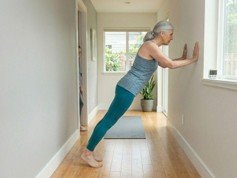
- Wall Push-Ups
Stand facing a wall, place your hands against it, and slowly bend and straighten your elbows. This works the chest, shoulders, and arms.
- Resistance-Band Exercises
Use a light resistance band for exercises such as seated rows or gentle presses. Bands provide adjustable resistance without requiring heavy weights.

- Light Dumbbell Curls
Hold light dumbbells or household weights and slowly bend and straighten your elbows. This helps strengthen the biceps.

- Sit-to-Stand Exercises
Practice standing up from a sturdy chair and returning to a seated position with control. This functional movement helps develop lower-body strength.
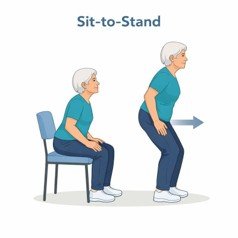
Choose exercises that match your current abilities. Use a sturdy chair, stable support, and a comfortable range of motion.
How Often Should Older Adults Strength Train?
A good starting point for many older adults is strength training at least two days per week, allowing recovery between sessions.
Here are a few guidelines:
- Start with light resistance.
- Focus on proper technique before increasing weight.
- Move slowly and with control.
- Avoid holding your breath.
- Gradually increase resistance or repetitions as your strength improves.
- Allow adequate recovery between challenging sessions.
The goal is steady improvement—not trying to do too much too soon.
If you have a medical condition, significant pain, balance concerns, or haven’t exercised recently, consult your healthcare professional before beginning a new exercise program. A qualified fitness professional can also help you choose appropriate exercises and modifications.
Nutrition Matters When Building and Maintaining Muscle
Exercise is only part of the equation. Your muscles also need proper nutrition and recovery.
Consider these basic habits:
Include protein with meals. Foods such as eggs, fish, poultry, Greek yogurt, beans, lentils, and cottage cheese can help provide the protein your body needs.
Eat a variety of fruits and vegetables. They provide vitamins, minerals, and other nutrients that support overall health.
Stay hydrated. Drink fluids regularly, following any guidance from your healthcare professional if you have fluid restrictions.
Get adequate sleep. Recovery is an important part of maintaining strength and supporting your overall health.
If you have kidney disease or other dietary restrictions, discuss your protein needs with your healthcare professional or registered dietitian.
Your Weekly Strength Challenge
You don’t have to start with a complicated workout.
This week’s challenge is simple:
Choose TWO strength exercises and perform 1–2 sets of 8–12 comfortable repetitions of each, as appropriate for your fitness level.
For example:
- Chair squats
- Wall push-ups
Focus on good form and controlled movement. If you experience pain, stop and reassess the exercise.
Once these exercises become comfortable, you can gradually progress by increasing repetitions, resistance, or the difficulty of the movement.
Remember, strength training should be progressive and personalized.
Stronger Muscles. Greater Confidence. A More Active Life.
Getting older doesn’t mean giving up the activities you enjoy.
Maintaining muscle strength can help you continue doing the things that make life rewarding—from walking and traveling to gardening, golfing, playing with grandchildren, and enjoying time with family and friends.
At Destiny Management, we believe your fitness program should fit your current abilities, schedule, goals, and lifestyle—not the other way around.
You don’t need to be an athlete. You don’t need to spend hours in a gym. You just need a place to start.
Anything is better than nothing.
Start where you are, build gradually, and keep moving forward.
Let’s Build the Best You!
Please review our business on Google Yelp Facebook
Please visit our Members’ Area to access 100s of health and fitness topics and
Join Our Community to access shared knowledge, tips, tutorials, industry insights, and diverse viewpoints that aren’t easily found elsewhere.
Did you know you can work out and exercise with a trainer at your home, office, hotel room, or anywhere in the world with online personal training?
Like us on Facebook/Connect with us on LinkedIn/Follow us on X Instagram/YouTube/Pinterest
Make sure to forward this to friends and followers!