
Indoor air quality (IAQ) is a critical aspect of your environment that often goes unnoticed. It refers to the quality of the air within and around buildings, particularly as it relates to the health and comfort of building occupants. High-quality indoor air is free from pollutants, allergens, and harmful chemicals, which can significantly affect your well-being and productivity.
Understanding the components of IAQ can help you appreciate its importance. It encompasses various factors, including ventilation, humidity, and the presence of pollutants such as dust, mold, and volatile organic compounds (VOCs). Poor IAQ can lead to health issues like headaches, respiratory problems, and allergic reactions, which can in turn impact your daily life and fitness routine. Maintaining good indoor air quality may also support overall scalp health, an important consideration for individuals preparing for or recovering from a hair transplant.
Recognizing the significance of maintaining good IAQ is essential, not only for health reasons but also for performance optimization. Whether at home or in fitness facilities, ensuring clean air can enhance your workout experience by boosting energy levels and reducing the risk of illness. It sets a foundation for a more effective and enjoyable fitness journey.
How Indoor Air Quality Affects Physical Performance
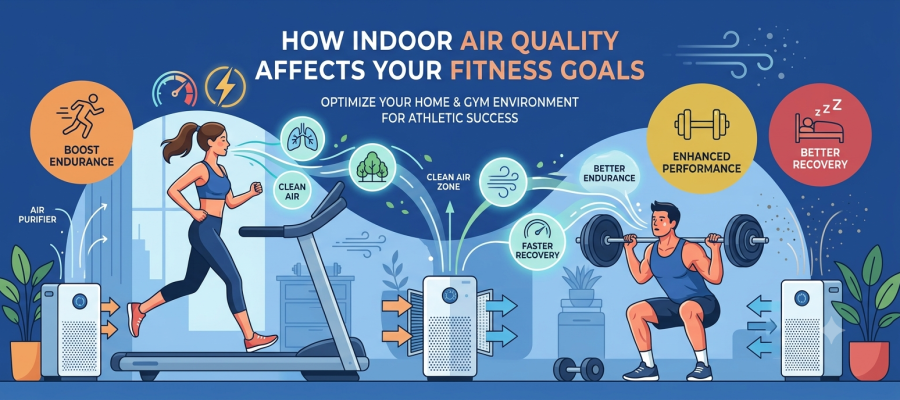
When you engage in physical activities, your body demands more oxygen to sustain energy levels and performance. Poor indoor air quality can impede this process, leading to reduced stamina and endurance. Polluted air makes it harder for your body to intake the necessary oxygen, thus limiting your ability to perform at your best. Over time, reduced physical activity may also contribute to metabolic issues such as insulin resistance, making it even more important to maintain an environment that supports regular exercise and overall health.
Studies show that exposure to indoor air pollutants can cause symptoms such as dizziness, fatigue, and headaches, which can severely affect your workout sessions. These symptoms are often mistaken for overexertion or dehydration, but they might stem from the air quality in your environment. Ensuring clean, fresh air during workouts can help you maintain focus, enhance endurance, and achieve your fitness goals more efficiently. Maintaining a healthy environment is also beneficial for overall well-being, which can complement medical care such as alopecia areata treatment by supporting better health habits.
Moreover, good IAQ can significantly impact your recovery process. During rest periods, your body repairs and rebuilds muscle tissue. Clean air supports this recovery by facilitating proper oxygen circulation, reducing inflammation, and promoting better sleep quality, all of which are crucial for muscle repair and growth.
Common Indoor Air Pollutants and Their Impact on Health
While air quality may not be the first factor people consider when choosing a home, the Best property dealer in DHA can also help you find properties with healthier living environments and better ventilation.Indoor air can be contaminated by a variety of pollutants that can adversely affect your health. Some of the most common indoor air pollutants include the following:
- Particulate Matter (PM): These tiny particles can penetrate deep into your lungs and bloodstream, leading to respiratory and cardiovascular issues.
- Volatile Organic Compounds (VOCs): Emitted by paints, cleaning supplies, and other materials, VOCs can cause headaches, nausea, and eye irritation.
- Mold and Mildew: These thrive in damp environments and can trigger allergies, asthma, and other respiratory conditions.
- Carbon Monoxide (CO): A colorless, odorless gas that can be deadly at high levels, causing dizziness, confusion, and even death.
- Radon: A naturally occurring radioactive gas that can lead to lung cancer upon prolonged exposure.
Understanding these pollutants and their sources can help you take proactive measures to minimize their presence in your indoor spaces, safeguarding your health and enhancing your workout performance.
Signs of Poor Indoor Air Quality in Fitness Environments
Identifying signs of poor IAQ in fitness environments is crucial for maintaining optimal health and performance. Some common indicators include:
- Unpleasant Odors: Persistent musty or chemical smells could indicate mold growth or the presence of VOCs.
- Visible Dust or Mold: Accumulation of dust on surfaces or visible mold growth is a clear sign of air quality issues.
- Health Symptoms: Frequent headaches, allergies, or respiratory issues among gym-goers may suggest poor air quality.
- Humidity Levels: High humidity can promote mold growth, while low humidity can cause dry skin and respiratory irritation.
- Inadequate Ventilation: Stuffy, stale air is often a result of poor ventilation, which can lead to increased pollutant levels.
Being aware of these signs can help you address IAQ issues promptly, ensuring a healthier and more conducive environment for your fitness activities.
Improving Indoor Air Quality for Optimal Performance
Enhancing IAQ involves several strategies that can be implemented in both home and gym settings. Here are some effective measures to consider:
- Regular Cleaning: Frequent cleaning reduces dust, pollen, and other allergens that can compromise air quality.
- Use of Air Purifiers: Air purifiers equipped with HEPA filters can trap airborne particles, improving the air you breathe.
- Humidity Control: Keeping indoor humidity levels between 30-50% can prevent mold growth and maintain comfort.
- Avoiding VOCs: Opt for low-VOC paints and cleaning products to minimize exposure to harmful chemicals.
- Indoor Plants: Certain plants can naturally filter indoor air by absorbing pollutants and emitting fresh oxygen.
Implementing these strategies will help create an environment that supports your health and fitness goals, leading to improved athletic performance and overall well-being.
The Role of Ventilation in Fitness Spaces
Proper ventilation is a cornerstone of maintaining good IAQ, especially in fitness spaces where physical exertion increases oxygen demand. Effective ventilation ensures the constant exchange of indoor and outdoor air, diluting pollutants and replenishing oxygen levels.
There are two primary types of ventilation: natural and mechanical. Natural ventilation relies on windows and doors to facilitate airflow, while mechanical systems use fans and HVAC units to control air movement. Both methods have their advantages, but a combination often yields the best results.
In fitness environments, ensuring adequate ventilation can prevent the buildup of CO2 and other pollutants, which can hinder performance and recovery. By promoting air circulation, you can enhance comfort, reduce fatigue, and create a more invigorating atmosphere for workouts.
The Benefits of Air Purifiers for Fitness Enthusiasts
Air purifiers can be a valuable addition to your fitness routine, especially if you exercise indoors. These devices are designed to remove contaminants from the air, providing a cleaner breathing environment. Here are some benefits of using air purifiers:
- Allergen Reduction: Air purifiers can capture common allergens like pollen, dust mites, and pet dander, reducing allergy symptoms.
- Improved Breathing: By filtering out pollutants, air purifiers enhance lung function and support better oxygen intake during workouts.
- Odor Elimination: These devices can neutralize unpleasant odors caused by sweat, mold, or chemicals.
- Enhanced Focus: Cleaner air can improve concentration and mental clarity, allowing you to stay focused during intense exercise sessions.
- Healthier Environment: Overall, air purifiers contribute to a healthier indoor environment, minimizing the risk of respiratory issues.
Incorporating an air purifier into your fitness space can lead to noticeable improvements in air quality, supporting your health and enhancing your workout experience.
Tips for Maintaining Good Indoor Air Quality at Home and in Gyms
Maintaining good IAQ requires consistent effort and attention to detail. Here are some practical tips to help you achieve this:
- Regular Maintenance: Keep HVAC systems and air purifiers well-maintained and replace filters as needed.
- Frequent Cleaning: Dust and vacuum regularly to reduce allergens and pollutants.
- Ventilation Practices: Open windows and doors periodically to allow fresh air in and stale air out.
- Humidity Monitoring: Use dehumidifiers or humidifiers to maintain optimal humidity levels.
- Natural Air Fresheners: Use essential oils or herbs like lavender and eucalyptus for pleasant, natural scents.
By incorporating these habits into your routine, you can ensure that your indoor environment remains conducive to health and fitness, both at home and in the gym.
Indoor Air Quality and Recovery: Why It Matters
Recovery is a critical component of any fitness regimen, and IAQ can play a significant role in this process. After intense exercise, your body needs time to repair tissues, recover energy stores, and eliminate metabolic waste. Clean air supports these functions by providing the necessary oxygen for recovery processes.
Poor IAQ can disrupt sleep patterns, leading to inadequate rest and prolonged recovery times. It can also exacerbate inflammation and oxidative stress, hindering muscle repair and growth. By prioritizing good air quality, you can promote better sleep, reduce recovery time, and enhance overall athletic performance.
Understanding the link between IAQ and recovery emphasizes the importance of maintaining clean air in your living and workout spaces. This focus can lead to improved health outcomes and a more efficient fitness journey.
Conclusion: Prioritizing Indoor Air Quality for Your Fitness Journey
In conclusion, indoor air quality is a vital factor that can significantly impact your fitness journey. From affecting physical performance to facilitating recovery, clean air plays a crucial role in optimizing your health and achieving your fitness goals. By understanding the importance of IAQ and implementing strategies to improve it, you can create an environment that supports your well-being and enhances your workout experience.
Take proactive steps to assess and improve the air quality in your home and gym. Consider investing in air purifiers, maintaining proper ventilation, and adopting healthy cleaning practices. By doing so, you’ll not only safeguard your health but also elevate your performance and enjoyment in fitness activities.
Please review our business on Google Yelp Facebook
Please visit our Members’ Area to access 100s of health and fitness topics and
Join Our Community to access shared knowledge, tips, tutorials, industry insights, and diverse viewpoints that aren’t easily found elsewhere.
Did you know you can work out and exercise with a trainer at your home, office, hotel room, or anywhere in the world with online personal training?
Like us on Facebook/Connect with us on LinkedIn/Follow us on X Instagram/YouTube/Pinterest
Make sure to forward this to friends and followers!