
Quick Snapshot:
“Want to stay strong, active, and self-reliant as the years go by? The right foods and simple daily movements can make a real difference. Explore practical nutrition and exercise strategies that help you maintain mobility, boost endurance, and enjoy everyday activities with confidence.“
One day, carrying groceries into the kitchen takes two trips instead of one. Getting up from a low sofa requires a push from the armrests. Small changes like these matter because independence depends on reserves of strength, balance, and stamina that can gradually decline.
The encouraging part is that those reserves are trainable. Food supplies the materials your body needs to maintain muscle and bone; movement teaches it to use them. The goal is not to eat perfectly or become an athlete. It is to keep doing the ordinary things that make life yours, from preparing dinner to visiting friends, with as much confidence and choice as possible.
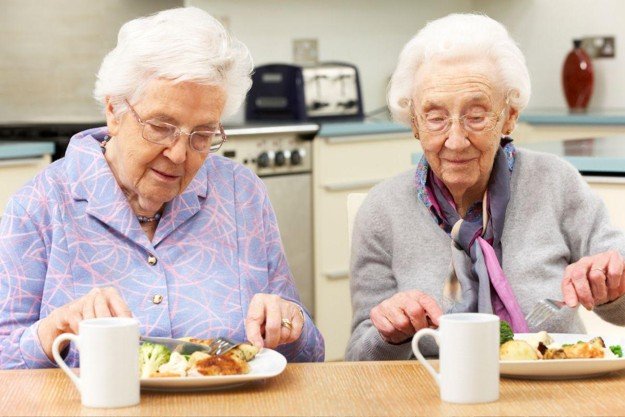
Sometimes, maintaining that choice means accepting a little help with tasks that have become tiring. For families, caregiving meal preparation can be as simple as preparing ingredients or keeping nutritious meals ready, allowing older loved ones to stay involved without handling every demanding step themselves.
What Does Staying Independent Actually Require?
Living independently involves more than being able to walk. You need leg strength to rise from a chair, grip and upper-body strength to carry shopping, balance to turn safely in a narrow hallway, and endurance to finish errands without becoming exhausted.
Someone who eats too little may lose muscle even while taking regular walks. Someone who eats well but spends most of the day sitting may still struggle with stairs. That is why nutrition and exercise work best as one strategy: adequate nourishment supports training, while training helps preserve the physical function that matters in daily life.
How Much Protein Helps You Keep Your Muscle Strength?
Age-related muscle loss can make stairs and recovery from illness harder. Resistance exercise is the main signal to maintain or build strength, but the body also needs enough protein to respond.
For generally healthy older adults, roughly 1.0–1.2 grams of protein per kilogram of body weight daily is a widely recommended starting range, with individual needs adjusted as appropriate. For a person weighing 70 kilograms, that works out to about 70–84 grams a day.
Including protein at different meals can make that daily target easier to reach, particularly when appetite is limited. For example, a 170-gram serving of plain Greek yogurt and one large egg might provide around 23–24 grams of protein at breakfast. One cup of cooked lentils could contribute about 18 grams at lunch, while an 85-gram portion of cooked fish might add approximately 20–25 grams at dinner. Exact amounts vary by food and preparation. Milk, tofu, beans, and cheese can help fill the gap.
This matters especially if breakfast is usually just toast and tea. Adding eggs, yogurt, or fortified soy milk makes that familiar meal a more substantial source of protein. Although spreading protein across meals can be practical, meeting overall daily needs remains more important than following a rigid eating schedule.
People with kidney disease or other medical nutrition restrictions should ask their clinician or dietitian for an appropriate protein target rather than using a general formula.
Which Foods Support Strong Bones, Steady Energy, and Healthy Nerves?
Protein is only one part of the picture. Bones must tolerate everyday loads, nerves must coordinate movement, and your body needs enough energy to stay active.
Calcium and vitamin D support bone health. Milk, yogurt, calcium-set tofu, and canned salmon with edible bones are practical calcium sources; fortified foods and oily fish help supply vitamin D. The recommended calcium intake is 1,200 milligrams daily for women over 50 and adults over 70, while men aged 51–70 generally need 1,000 milligrams. Adults over 70 are advised to get 800 IU of vitamin D daily from all sources. Supplements should fill a genuine gap, not automatically replace food.
Vitamin B12 helps keep your nerves working properly while allowing your body to produce the healthy red blood cells it needs. Because absorption of naturally occurring B12 can become less reliable with age, fortified cereal, dairy, fish, and—when advised—supplements may be useful. A deficiency can contribute to numbness, weakness, or balance problems, making everyday movement more difficult. Persistent symptoms deserve medical assessment rather than self-treatment.
Do not neglect carbohydrates and healthy fats. Oats, potatoes, fruit, and whole grains provide fuel for walking and exercise; olive oil, nuts, and seeds add energy when portions are small. A balanced dinner could be salmon, potatoes, greens, and yogurt sauce.
What If Your Appetite or Ability to Cook Has Changed?
Eating can become harder when chewing hurts, appetite changes, or cooking becomes tiring. Smaller, nutrient-dense meals may be easier to manage.
Try scrambled eggs with soft vegetables, bean soup with grated cheese, or oatmeal made with milk and topped with nut butter. Keep frozen vegetables, canned fish, cooked beans, and microwaveable grains available so a nutritious meal does not depend on an hour in the kitchen.
If a full meal feels overwhelming, use smaller meals and planned snacks rather than skipping food until evening. If dentures hurt, swallowing is difficult, or weight is dropping without trying, seek medical or dietetic advice. Unplanned weight loss in later life deserves attention, even when the person was previously overweight.
How Can You Stay Hydrated Without Relying on Thirst?
Thirst may become a less dependable reminder with age, and dehydration can contribute to fatigue, constipation, and lightheadedness—problems that make ordinary movement harder.
Tie drinks to routines: a glass with breakfast, another with medication when permitted, and water or milk with meals and snacks. Drink more when sweating or during hot weather, unless advised otherwise.
There is no single fluid target suitable for everyone. People with heart failure, kidney problems, or prescribed fluid limits should follow their care plan, not a generic eight-glasses rule.
Which Strength Exercises Make Everyday Tasks Easier?
The most useful strength training resembles the movements you want to keep doing. You do not need a gym, but you do need a challenge that gradually increases as your ability improves.
Research supports the value of practicing movements that resemble daily activities. A 2026 systematic review found that functional-task exercises improved performance in activities of daily living and mobility compared with control conditions. However, the studies used different measures, and benefits for overall quality of life remained uncertain.
Start with sit-to-stands from a stable chair to train getting up from the toilet or sofa. Countertop push-ups strengthen the arms and chest used to push doors and support household tasks. Resistance-band rows work the upper back for carrying and pulling. Supported heel raises train the calves for walking and stairs. A low, secure step-up may be appropriate for people who can already manage steps safely.
Aim to work major muscle groups at least twice a week. For each exercise, begin with one set of 8–12 controlled repetitions; progress toward two sets when ready. The last few repetitions should feel challenging without causing pain or forcing you to hold your breath. When the movement becomes easy, add a little resistance before adding endless repetitions.
Leave recovery time between demanding sessions. If standing exercises are unsafe, a physical therapist can adapt them to your ability.
What Balance Practice Helps Protect You From Falls?
Walking supports mobility, but dedicated balance exercises can challenge movements that ordinary walking may not sufficiently train. Controlled weight shifts, turns, and changes in foot position help prepare you for everyday adjustments, such as reaching into a cupboard or stepping around an obstacle.
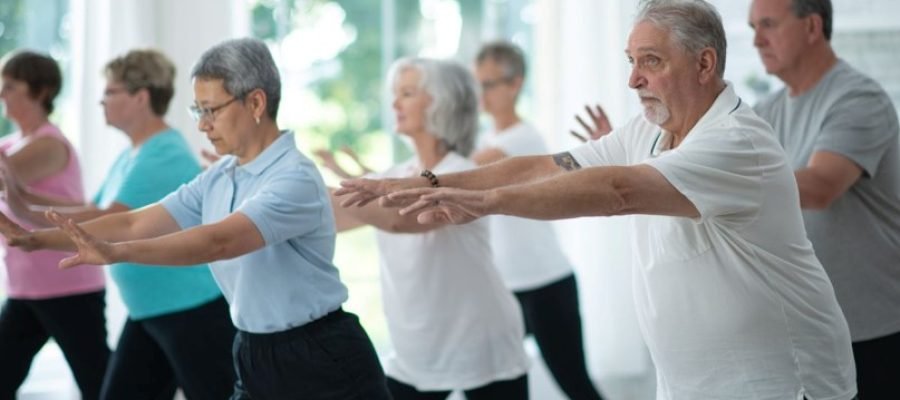
Stand beside a sturdy counter and slowly transfer weight from one foot to the other. Practice placing one foot slightly ahead of the other, then try a supported heel-to-toe stance. If comfortable, briefly lift one foot while keeping fingertips near support. Practice briefly most days; tai chi can add variety.
Do not test balance with your eyes closed or without support if falling is possible. If you have fallen recently, feel dizzy, or need a walking aid, ask for an individual fall-risk assessment. Using a cane or walker correctly is a way to protect independence, not a failure of it.
How Much Walking Builds the Stamina You Need?
Aerobic activities build endurance for shopping, appointments, and outings. People aged 65 and older are generally advised to aim for at least 150 minutes of moderate aerobic activity per week, alongside strengthening and balance work.
Moderate means breathing faster while still being able to talk, though singing would be difficult. Five 30-minute walks meet the weekly aerobic target, but they do not have to happen in one stretch. Three 10-minute walks in a day can be more manageable than one long outing.
If you currently manage only five minutes comfortably, begin there. Add time in small steps as recovery allows. For painful joints, water exercise or a stationary cycle may be more comfortable. Notice whether your usual route feels easier or whether you can finish an errand without needing to sit: those are useful signs of growing stamina.
How Can You Fit Food and Exercise Into a Realistic Week?
A useful routine connects movement to meals and existing habits instead of treating healthy aging as a separate project.
On Monday and Thursday, try a 30-minute walk and five minutes of supported balance practice. On Tuesday and Friday, complete a short strength session, followed by a 30-minute walk. Wednesday can include another 30-minute walk; the weekend might involve gardening, dancing, or a longer outing. Add brief balance practice on other days when safe and manageable.
Those five weekday walks total 150 minutes of aerobic activity. If that feels beyond your current ability, begin with shorter walks and gradually increase their duration. The schedule is a flexible example, not a requirement to reach the full target immediately or sacrifice recovery.
Build meals around the same rhythm. Keep a protein option ready for breakfast, assemble lunch from leftovers or pantry staples, and include a substantial protein source with dinner. After strength training, eat a regular balanced meal rather than assuming a supplement is necessary.
Track changes that matter: Can you stand up without pushing with both hands? Carry the same shopping bag more comfortably? Walk to a nearby destination with fewer rests? Record one or two observations every few weeks. Functional progress is often more motivating than the bathroom scale.
When Should the Plan Be Adjusted for Health or Mobility Changes?
The right starting point depends on your current health, not your age alone. Arthritis may require shorter sessions and a gentler range of motion; osteoporosis may call for guidance about safe lifting and spinal movements; diabetes can affect meal timing and exercise precautions.
If you have significant heart or lung disease, frequent falls, or have recently been hospitalized, ask a healthcare professional or physical therapist how to begin safely. Stop exercising and seek appropriate medical help for chest pain, fainting, or severe unexplained breathlessness.
Also review medications that cause dizziness, appetite changes, or dehydration. A plan that is safe, well fueled, and repeatable will protect independence better than an ambitious routine that leaves you exhausted or injured.
Key Takeaways
Maintaining independence is not about preventing every age-related change. It is about preserving the physical ability to manage everyday life. Adequate nourishment helps support muscle, bone, and energy needs, while regular strength, balance, and aerobic activities help put those resources to work.
The most effective approach is one you can sustain and adapt as your needs change. Progress may be as simple as getting out of a chair more easily, preparing a meal without feeling exhausted, or enjoying an outing with fewer breaks. These everyday abilities are what make healthy aging meaningful: having more confidence, choice, and freedom in how you live.
Please review our business on Google Yelp Facebook
Please visit our Members’ Area to access 100s of health and fitness topics and Join Our Community to access shared knowledge, tips, tutorials, industry insights, and diverse viewpoints that aren’t easily found elsewhere.
Did you know you can work out and exercise with a trainer at your home, office, hotel room, or anywhere in the world with online personal training?
Like us on Facebook/Connect with us on LinkedIn/Follow us on X Instagram/YouTube/Pinterest
Make sure to forward this to friends and followers!