
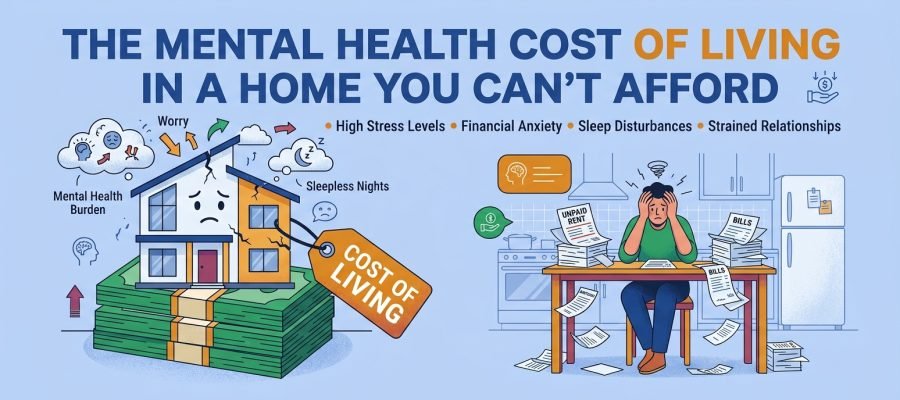

Living beyond your means is a financial habit where expenses consistently exceed income, leading to a reliance on credit and debt. This lifestyle often emerges from a desire to maintain a certain standard of living, influenced by societal pressures and personal aspirations. It’s crucial to recognize that living beyond your means isn’t just about extravagant purchases; it can also stem from unplanned expenses or insufficient budgeting.
To truly understand this concept, consider your financial habits. Are you frequently using credit cards for everyday purchases or borrowing money to cover monthly bills? These are clear indicators that your spending surpasses your earning capabilities. Living beyond your means often leads to a cycle of financial strain, as the interest on debt accumulates, further widening the gap between income and expenditure. For professionals such as real estate agents, managing expenses carefully is especially important when dealing with fluctuating income and business costs.
The allure of a lavish lifestyle, often shown in media and social circles, can make it challenging to resist overspending. However, it’s vital to remember that sustainable financial health involves aligning your lifestyle with your financial reality. By acknowledging and addressing the root causes of living beyond your means, you can begin to take steps towards a more balanced financial life.
The Psychological Impact of Financial Strain
Financial strain can have profound psychological effects, impacting various aspects of your life. One of the most immediate impacts is stress, which can manifest as constant worry about money, leading to anxiety and even depression. The pressure to meet financial obligations can create a persistent sense of unease, affecting your mental well-being and overall quality of life.
The emotional burden of financial strain often leads to feelings of inadequacy and low self-esteem. When you struggle to manage your finances, it can feel like a personal failure, which might erode your confidence in other areas of your life. This emotional toll can lead to social withdrawal, as the shame or embarrassment of financial difficulties prevents you from engaging with friends and family. For those considering major investments, such as House Construction Services in DHA Islamabad, careful financial planning can help reduce the stress associated with significant expenses.
Furthermore, financial strain can disrupt your ability to focus and make sound decisions, both personally and professionally. The constant preoccupation with money problems can impair your cognitive function, making it challenging to concentrate on tasks or enjoy daily activities. Addressing the psychological impact of financial strain is essential for maintaining mental health and achieving a sense of balance.
Common Signs of Financial Stress
Recognizing the signs of financial stress is crucial for taking proactive steps to manage it. While financial stress can manifest differently for everyone, there are common indicators that suggest you’re experiencing financial difficulties. By identifying these signs early, you can take measures to alleviate stress and regain control over your finances.
Common Signs Include:
- Constant Worry About Money: Persistent anxiety about bills, debt, and future financial stability.
- Difficulty Sleeping: Insomnia or disrupted sleep patterns due to money-related concerns.
- Frequent Arguments About Money: Tensions and conflicts with loved ones over financial matters.
- Avoidance of Financial Responsibilities: Ignoring bills, delaying payments, or avoiding budget discussions.
- Physical Symptoms: Stress-related symptoms such as headaches, stomachaches, and fatigue.
If you notice any of these signs, it’s important to address them promptly. Ignoring financial stress can lead to more severe mental health issues and potentially impact your physical health. Seeking support from financial advisors, therapists, or support groups can provide valuable guidance in managing financial stress effectively.
How Living Beyond Your Means Affects Mental Health
Living beyond your means has a direct impact on your mental health, often exacerbating existing stress and anxiety. The pressure to maintain a lifestyle that exceeds your financial capabilities creates a cycle of worry and uncertainty. Constantly thinking about how to pay off debt or manage expenses can lead to chronic stress, which is detrimental to both mental and physical health.
The psychological toll of living beyond your means extends beyond stress and anxiety. It can also affect your self-worth and sense of identity. When finances are mismanaged, it can result in feelings of guilt and shame, impacting your self-esteem. This emotional burden may lead to isolation, as individuals struggling with financial issues may withdraw from social interactions out of embarrassment or fear of judgment.
Moreover, the mental health effects of financial strain can influence other areas of life, such as work performance and relationships. The inability to focus due to financial worries can decrease productivity, while stress-induced irritability can strain relationships with family and friends. Acknowledging the connection between financial habits and mental health is a vital step in making necessary changes to improve both.
The Relationship Between Debt and Anxiety
Debt is a significant source of anxiety for many individuals, creating an ongoing sense of worry about financial security and future stability. The burden of debt can feel overwhelming, as it often involves high-interest rates and long repayment periods. This financial obligation can lead to constant stress, as the fear of not being able to make payments looms large.
The anxiety associated with debt can manifest in various ways. It may cause sleep disturbances, irritability, and difficulty concentrating. The persistent worry about debt can also lead to avoidance behaviors, such as ignoring bills or refraining from checking account balances. These behaviors, while momentarily relieving, often exacerbate the problem and increase anxiety over time.
Understanding the relationship between debt and anxiety is crucial for managing both effectively. Developing a plan to tackle debt, whether through budgeting, consolidating loans, or seeking professional financial advice, can help reduce anxiety and provide a clearer path forward. Remember, acknowledging and addressing debt is the first step towards alleviating the mental burden it imposes.
Coping Mechanisms for Financial-Related Stress
Managing financial-related stress requires a combination of practical strategies and emotional support. One effective approach is to create a detailed budget that outlines your income, expenses, and financial goals. By understanding where your money goes, you can identify areas for improvement and reduce unnecessary spending.
In addition to budgeting, practicing mindfulness and stress-reducing techniques can help manage the emotional aspects of financial stress. Activities such as meditation, deep breathing exercises, and regular physical activity can improve mental resilience and provide relief from stress. It’s important to incorporate these practices regularly to maintain a balanced mental state.
Building a support network is another vital coping mechanism. Sharing your financial concerns with trusted friends or family members can provide emotional relief and new perspectives on managing stress. Additionally, seeking guidance from financial advisors or mental health professionals can offer valuable insights and strategies to navigate financial challenges effectively.
Strategies to Live Within Your Means
Living within your means involves aligning your lifestyle with your financial reality, ensuring that your expenses do not exceed your income. This requires a conscious effort to prioritize needs over wants and make informed financial decisions. By adopting specific strategies, you can achieve financial stability and reduce stress.
Key Strategies to Consider:
- Create a Realistic Budget: Track your income and expenses to identify spending patterns and areas for adjustment.
- Prioritize Savings: Allocate a portion of your income to savings before addressing discretionary spending.
- Limit Credit Card Use: Use credit cards only for emergencies or planned purchases and aim to pay off the balance monthly.
- Set Financial Goals: Define short-term and long-term financial goals to guide your spending and saving decisions.
- Embrace Minimalism: Focus on acquiring experiences over material possessions to reduce unnecessary expenditures.
Implementing these strategies can help you maintain financial health and prevent the cycle of living beyond your means. Remember, achieving financial stability is a gradual process that requires commitment and discipline.
Seeking Professional Help: When to Consider Therapy
There are times when financial stress and its impact on mental health may necessitate professional intervention. Therapy can be an effective way to address the emotional aspects of financial strain, providing tools and strategies to cope with stress and improve mental resilience. If financial worries are affecting your daily life, relationships, or mental health, it may be time to seek professional help.
Therapists specializing in financial issues can help you explore the root causes of financial stress and develop healthier coping mechanisms. They can also assist in addressing any underlying mental health conditions that may be exacerbating financial difficulties. Remember, seeking therapy is not a sign of weakness but a proactive step towards improving your mental and financial well-being.
In addition to therapy, consulting with a financial advisor can provide practical guidance on managing debt, budgeting, and planning for the future. Combined, these professional resources can equip you with the knowledge and support needed to navigate financial challenges and achieve a healthier balance in life.
Building a Support System for Financial Wellness
A robust support system is crucial for maintaining financial wellness and mental health. Surrounding yourself with supportive individuals can provide the encouragement and accountability needed to make positive changes. Sharing financial goals and challenges with trusted friends or family members can create a sense of community and mutual support.
Consider joining financial wellness groups or online communities where you can connect with others facing similar challenges. These networks can offer valuable insights, tips, and encouragement from people who understand your situation. Additionally, having a mentor or financial coach can provide personalized guidance and motivation to help you stay on track.
It’s also important to communicate openly with loved ones about your financial journey. Transparency and honesty can prevent misunderstandings and strengthen relationships. By building a support system, you create a network of resources that can help you navigate financial stress and achieve lasting financial stability.
Conclusion: Prioritizing Mental Health and Financial Stability
Prioritizing both mental health and financial stability is essential for leading a fulfilling life. Recognizing the hidden mental health costs of living beyond your means is the first step towards making meaningful changes. By understanding the psychological impact of financial strain and adopting strategies to live within your means, you can reduce stress and improve your overall well-being.
Remember, achieving financial stability is a journey that requires persistence and patience. Embrace the process of setting realistic financial goals, seeking professional help when needed, and building a supportive community. By prioritizing mental health alongside financial management, you can create a balanced and sustainable lifestyle.
Please review our business on Google Yelp Facebook
Please visit our Members’ Area to access 100s of health and fitness topics and
Join Our Community to access shared knowledge, tips, tutorials, industry insights, and diverse viewpoints that aren’t easily found elsewhere.
Did you know you can work out and exercise with a trainer at your home, office, hotel room, or anywhere in the world with online personal training?
Like us on Facebook/Connect with us on LinkedIn/Follow us on X Instagram/YouTube/Pinterest
Make sure to forward this to friends and followers!