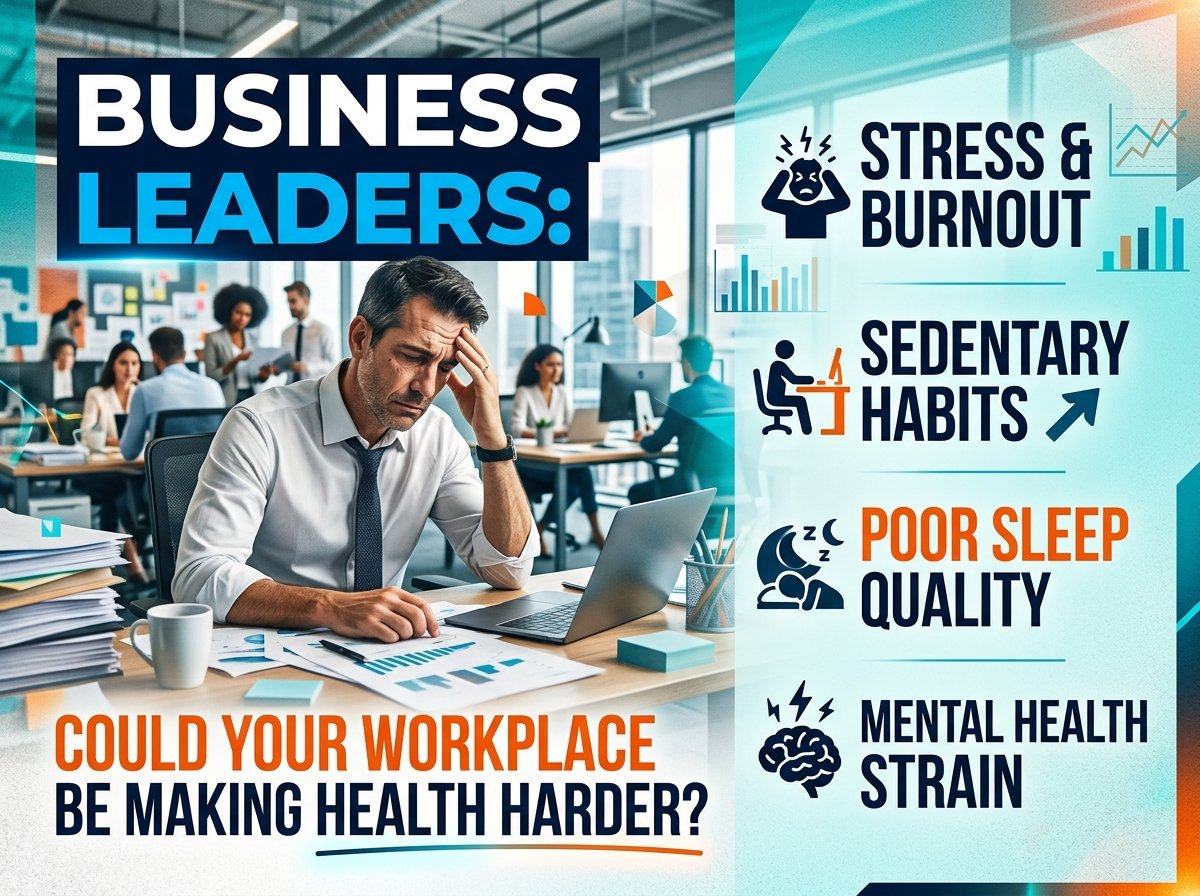

Employee well-being is a multifaceted concept that encompasses physical, mental, and emotional health. In today’s fast-paced corporate environment, maintaining a balance between work demands and personal life is crucial for sustaining mental well-being. When organizations prioritize employee well-being, they not only foster a more positive work atmosphere but also enhance productivity and job satisfaction.
Mental health, a significant component of overall well-being, affects how individuals think, feel, and act in their daily lives. It also influences how employees handle stress, interact with colleagues, and make decisions. Thus, understanding the importance of mental health is essential for creating a supportive workplace where employees thrive. This awareness is particularly important for individuals managing chronic health conditions such as polycystic ovary syndrome, which can affect both emotional well-being and daily functioning.
Addressing mental health and well-being should be a priority for every organization. Implementing policies and practices that consider employees’ mental health can lead to reduced absenteeism, increased engagement, and a more resilient workforce. By focusing on mental health, companies can create an environment where employees feel valued and motivated to give their best.
The Role of Corporate Culture in Employee Satisfaction
Corporate culture plays a vital role in shaping employee satisfaction and well-being. A supportive and inclusive culture encourages open communication, mutual respect, and a sense of belonging among employees. When employees feel that their company values their contributions and cares about their well-being, they are more likely to be satisfied with their jobs and remain loyal to the organization. This positive environment can also extend to workplace events and celebrations, where employees may have opportunities to wear formal dresses and engage in activities that strengthen team connections.
A positive corporate culture also fosters an environment where employees feel comfortable expressing their ideas and concerns. This openness leads to a more innovative and collaborative workplace, where individuals are encouraged to contribute to the company’s success. In contrast, a toxic or rigid culture can stifle creativity and decrease overall morale, leading to higher turnover rates.
Organizations should strive to cultivate a corporate culture that prioritizes employee well-being. This can be achieved by implementing policies that support work-life balance, recognizing and rewarding employee achievements, and providing opportunities for professional growth. A healthy corporate culture not only benefits employees but also enhances the organization’s reputation and attractiveness to potential talent. For example, chronic workplace stress is among the causes of hair loss in women, highlighting the importance of fostering a supportive environment that promotes both mental and physical well-being.
What is a Flexible Dress Code?
A flexible dress code refers to a set of guidelines that allows employees to choose clothing that makes them feel comfortable and confident at work, whether they prefer replica dresses or newly purchased outfits. Unlike traditional dress codes that often mandate formal or business attire, flexible dress codes offer employees the freedom to select attire that suits their personal style while still aligning with the company’s professional standards.
Flexible dress codes can vary widely depending on the industry and organizational culture. For example, some companies may allow casual attire every day, while others might designate specific days for more relaxed dress. The key is to strike a balance between maintaining a professional image and accommodating employees’ preferences for comfort and self-expression.
Implementing a flexible dress code can have numerous benefits for both employees and employers. By allowing employees to wear clothing that reflects their individuality, organizations can promote a more inclusive and engaging workplace. This approach not only boosts employee morale but also enhances the company’s image as a modern, forward-thinking employer.
Benefits of Flexible Dress Codes for Employee Well-Being
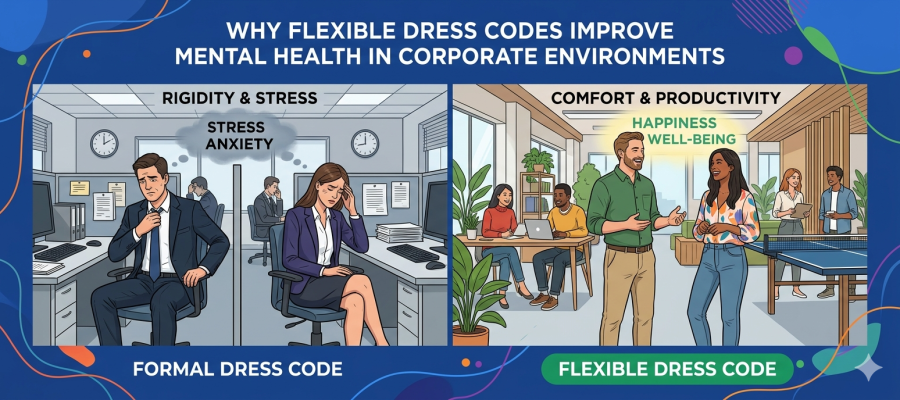
Adopting a flexible dress code can have a positive impact on employee well-being. One of the primary benefits is the reduction of stress and anxiety associated with strict dress codes. When employees feel comfortable in their attire, they are likely to experience increased confidence and reduced pressure to conform to rigid standards.
Moreover, a flexible dress code can lead to greater job satisfaction. Employees appreciate having the autonomy to choose their clothing, which can enhance their sense of ownership and control over their work environment. This freedom can lead to higher levels of engagement and a stronger commitment to the organization.
Additionally, flexible dress codes can foster a sense of equality among employees. By moving away from traditional dress codes that may inadvertently create divisions based on appearance, organizations can promote a more inclusive and cohesive workplace. This inclusivity can improve team dynamics and collaboration, ultimately benefiting the company’s overall performance.
The Connection Between Dress Codes and Mental Health
There is a strong connection between dress codes and mental health. Rigid dress codes can contribute to stress and anxiety, particularly if employees feel pressured to conform to specific standards that may not align with their personal preferences or cultural norms. This can lead to decreased job satisfaction and increased mental strain.
Conversely, flexible dress codes can positively influence mental health by allowing employees to express their individuality and feel more at ease in their work environment. When employees are comfortable in their clothing, they are more likely to experience a sense of well-being and positivity. This comfort can translate into improved focus, creativity, and overall job performance.
By recognizing the impact of dress codes on mental health, organizations can create a more supportive workplace that prioritizes employee well-being. Implementing policies that allow for flexibility in dress can contribute to a healthier, more balanced work environment where employees feel valued and respected.
Implementing Flexible Dress Codes: Best Practices
To successfully implement a flexible dress code, organizations should consider several best practices. First, it’s important to clearly communicate the dress code policy to all employees. This includes outlining expectations, providing examples of acceptable attire, and addressing any industry-specific requirements that may impact clothing choices.
Involving employees in the decision-making process can also enhance the effectiveness of a flexible dress code. By gathering input from employees, organizations can create a policy that reflects the diverse needs and preferences of their workforce. This collaborative approach can lead to greater buy-in and adherence to the dress code policy.
Finally, organizations should be prepared to regularly review and update their dress code policy. As workplace norms and cultural trends evolve, it’s essential to ensure that the dress code remains relevant and aligned with the company’s values. Regular feedback from employees can provide valuable insights into the policy’s effectiveness and areas for improvement.
Employee Feedback: Gathering Insights on Dress Code Policies
Gathering employee feedback is crucial for understanding the impact of dress code policies on well-being and job satisfaction. By soliciting input from employees, organizations can gain valuable insights into how the dress code affects their daily work experience and identify areas for improvement.
There are several ways to gather employee feedback on dress code policies. Surveys and focus groups can provide structured opportunities for employees to share their thoughts and experiences. Additionally, informal conversations and open-door policies can encourage employees to voice their opinions and suggestions.
Analyzing employee feedback can help organizations identify patterns and trends related to the dress code. This information can inform policy adjustments and ensure that the dress code aligns with employees’ needs and preferences. By actively seeking and responding to employee feedback, organizations demonstrate their commitment to creating a supportive and inclusive workplace.
Challenges of Implementing Flexible Dress Codes
While flexible dress codes offer numerous benefits, organizations may encounter challenges when implementing such policies. One potential challenge is ensuring that all employees adhere to the dress code guidelines. Clear communication and consistent enforcement are essential to maintaining a professional image while allowing for individual expression.
Another challenge is balancing the diverse preferences and expectations of employees. Organizations must consider the needs of different departments, roles, and cultural backgrounds when developing a flexible dress code policy. This requires a thoughtful approach to ensure that the policy is inclusive and equitable for all employees.
Additionally, organizations may face resistance from employees who are accustomed to traditional dress codes. Addressing concerns and providing education on the benefits of flexible dress codes can help overcome resistance and foster acceptance of the new policy. By proactively addressing potential challenges, organizations can successfully implement flexible dress codes that enhance employee well-being.
Conclusion: The Future of Dress Codes in Corporate Environments
The future of dress codes in corporate environments is likely to be characterized by increased flexibility and inclusivity. As organizations recognize the positive impact of flexible dress codes on employee well-being and mental health, more companies are expected to adopt policies that allow for greater individual expression and comfort.
Embracing flexible dress codes can help organizations attract and retain top talent by creating a workplace culture that values diversity and supports employee well-being. As societal norms continue to evolve, companies that prioritize flexibility and inclusivity in their dress code policies will be better positioned to succeed in a competitive business landscape.
In conclusion, flexible dress codes are an essential component of a modern, supportive work environment. By prioritizing employee well-being and mental health, organizations can create a positive and productive workplace where employees feel valued and motivated to contribute to the company’s success.
Please review our business on Google Yelp Facebook
Please visit our Members’ Area to access 100s of health and fitness topics and
Join Our Community to access shared knowledge, tips, tutorials, industry insights, and diverse viewpoints that aren’t easily found elsewhere.
Did you know you can work out and exercise with a trainer at your home, office, hotel room, or anywhere in the world with online personal training?
Like us on Facebook/Connect with us on LinkedIn/Follow us on X Instagram/YouTube/Pinterest
Make sure to forward this to friends and followers!