
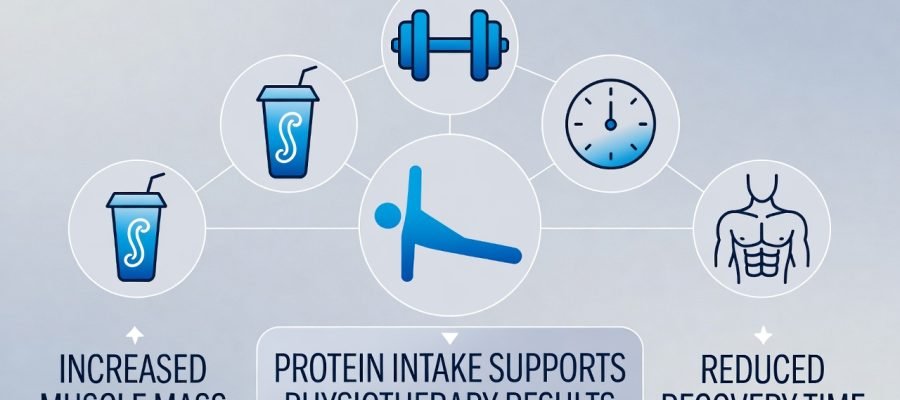

Protein plays a crucial role in the recovery process, especially when it comes to physiotherapy. As you engage in exercises and therapeutic activities designed to boost your physical well-being, your muscles undergo stress and small tears. Protein assists in repairing these tears, thereby facilitating muscle growth and recovery. Without adequate protein, your body may struggle to mend itself efficiently, potentially prolonging your recovery time.
Beyond muscle repair, protein also contributes to the production of essential enzymes and hormones that support your body’s overall healing mechanisms, a principle often emphasized by Dr Waseem fitness experts. These biological processes are vital for reducing inflammation and promoting faster recovery. By incorporating sufficient protein into your diet, you ensure that your body has the necessary resources to rebuild and strengthen itself.
Moreover, protein intake is not just about rebuilding muscle; it’s about enhancing overall recovery. When your body is well-nourished with protein, you experience less fatigue and more energy, which can significantly impact your physiotherapy progress. A well-rounded diet that includes adequate protein can make a noticeable difference in how you feel and how quickly you see improvements.
The Science Behind Protein and Muscle Repair
The relationship between protein and muscle repair is deeply rooted in science and plays a crucial role in body transformation. Proteins are made up of amino acids, which are often referred to as the building blocks of life. When you consume protein, your body breaks it down into these amino acids, which are then used to repair and build tissues, including muscles.
Research has shown that specific amino acids, such as leucine, play a pivotal role in muscle protein synthesis. This process is critical for repairing damaged muscle fibers and stimulating the growth of new ones. By consuming protein-rich foods, you provide your body with the necessary amino acids to optimize this process, thus enhancing your recovery after physiotherapy sessions.
Furthermore, protein intake has been linked to improved muscle strength and function, which are essential for successful outcomes guided by a physiotherapist. As you progress through your therapy regimen, maintaining or increasing muscle strength is vital for achieving your rehabilitation goals. Adequate protein consumption supports this by ensuring your muscles have the necessary nutrients to adapt and grow stronger.
How Protein Intake Affects Physiotherapy Outcomes
Protein intake can significantly influence the results you achieve from physiotherapy. When your body receives the right amount of protein, it is better equipped to handle the physical demands of therapy and recover more efficiently. This can lead to quicker improvements in mobility, strength, and overall physical function.
In addition to enhancing muscle repair, protein also plays a role in reducing muscle soreness and fatigue, especially when combined with the right vitamin & supplements. This means that after intensive physiotherapy sessions, you’ll experience less discomfort and be able to return to your exercises sooner. Consistently fueling your body with adequate protein can make your physiotherapy journey smoother and more effective.
Moreover, protein supports the adaptation of your body to the increased physical activity associated with physiotherapy. As your body gets stronger and more resilient, you’ll likely find it easier to perform exercises and reach your rehabilitation milestones. Ultimately, a diet rich in protein can be a game-changer in maximizing your physiotherapy outcomes.
Recommended Protein Sources for Optimal Recovery
To optimize your recovery during physiotherapy, it’s important to choose the right protein sources. Incorporating a variety of protein-rich foods ensures that you receive a comprehensive range of amino acids and other essential nutrients. Here are some excellent protein sources to consider:
- Lean Meats: Chicken, turkey, and lean cuts of beef or pork provide high-quality protein and are versatile in meals.
- Fish: Rich in omega-3 fatty acids, fish like salmon and tuna not only offer protein but also support joint health.
- Dairy Products: Greek yogurt, milk, and cheese are excellent sources of protein and calcium, which are vital for bone health.
- Legumes: Lentils, chickpeas, and beans are plant-based protein options that also deliver fiber and minerals.
- Nuts and Seeds: Almonds, chia seeds, and flaxseeds provide protein along with healthy fats and antioxidants.
Incorporating these protein sources into your meals and snacks can ensure your body receives the nutrients it needs for effective recovery. By balancing animal and plant-based proteins, you can maintain a varied diet that supports your physiotherapy goals.
Creating a Protein-Rich Diet Plan for Physiotherapy
Designing a protein-rich diet plan tailored to your physiotherapy needs can be transformative for your recovery. Start by calculating your daily protein requirements, which generally range from 1.2 to 2.0 grams per kilogram of body weight, depending on your activity level and goals. Once you know your target, you can plan meals accordingly.
Sample Meal Plan:
- Breakfast:
- Omelette with spinach and cheese
- A side of Greek yogurt with berries
- Lunch:
- Grilled chicken breast with quinoa and roasted vegetables
- A small bowl of lentil soup
- Dinner:
- Baked salmon with a side of brown rice and steamed broccoli
- Mixed greens salad with nuts and seeds
- Snacks:
- A handful of almonds or walnuts
- Protein smoothie with milk, banana, and protein powder
By following a structured meal plan, you can ensure consistent protein intake throughout the day. Adjust portion sizes and ingredients based on your preferences and dietary needs but aim to distribute protein evenly across meals for optimal results.
Timing Your Protein Intake: When is Best?
The timing of your protein intake can significantly impact your recovery process. Consuming protein at strategic times can enhance muscle repair and growth, making your physiotherapy more effective. Here’s when to focus on protein consumption:
- Post-Workout: Consuming protein within 30 minutes to 2 hours after your physiotherapy session can help kickstart muscle protein synthesis. This is often referred to as the “anabolic window,” where your body is most receptive to nutrients.
- Evenly Throughout the Day: Rather than consuming large amounts of protein in one sitting, aim to spread your intake evenly across all meals. This approach ensures a constant supply of amino acids for muscle repair and growth.
- Before Bed: Having a small, protein-rich snack before bed can support overnight recovery. Casein protein, found in dairy products, is particularly effective as it digests slowly, providing a steady release of amino acids.
By paying attention to when you consume protein, you can enhance your body’s ability to recover and make the most of your physiotherapy sessions. Consistency in timing is key to achieving your rehabilitation goals.
The Importance of Hydration in Conjunction with Protein
While protein is vital for recovery, hydration should not be overlooked. Proper hydration aids in nutrient transport, muscle function, and overall recovery. When combined with adequate protein intake, staying hydrated can significantly improve your physiotherapy results.
Water plays a critical role in maintaining the elasticity of muscles and tissues, reducing the risk of injury during therapy. It also helps flush out toxins and waste products generated during physical activity, promoting faster recovery. By drinking enough water throughout the day, you ensure that your body remains in an optimal state for healing.
Additionally, hydration supports digestion and the efficient absorption of nutrients, including protein. Without enough water, your body may struggle to process the protein you consume, negating its benefits. Aim to drink at least 8-10 cups of water daily, adjusting based on your activity level and climate, to support your recovery journey.
Common Myths About Protein and Recovery
Despite the well-documented benefits of protein for recovery, several myths persist. It’s important to debunk these misconceptions to make informed dietary choices and enhance your physiotherapy outcomes.
- Myth: More Protein Equals Faster Recovery: While protein is essential, consuming excessive amounts won’t necessarily speed up recovery. Your body can only utilize so much protein at a time, and excess amounts are either stored as fat or eliminated.
- Myth: Plant-Based Proteins Are Inferior: Plant-based proteins can be just as effective as animal-based ones. With the right combinations, such as rice and beans, you can achieve a complete amino acid profile.
- Myth: Protein Supplements Are Necessary: While supplements can be convenient, they aren’t mandatory for recovery. Whole foods can provide all the protein you need, often with added nutrients and fiber.
Understanding these myths ensures that you make nutritional choices that genuinely support your recovery and physiotherapy goals. Focus on a balanced diet and realistic protein intake for the best results.
Consulting with Professionals: Nutritionists and Physiotherapists
To tailor your nutrition plan to your specific needs, consider consulting with professionals. Nutritionists and dietitians can provide personalized guidance based on your dietary preferences, health status, and physiotherapy objectives. They can help you identify the right protein sources and create a balanced meal plan that fits your lifestyle.
Physiotherapists, on the other hand, offer insights into how nutrition, specifically protein intake, can complement your rehabilitation exercises. They can provide recommendations on timing and quantity to maximize the benefits of your therapy sessions. Collaborating with both nutritionists and physiotherapists ensures a holistic approach to your recovery.
Ultimately, professional guidance can help you avoid common pitfalls, such as under- or over-consuming protein, and tailor your diet to your unique needs. This collaboration can be instrumental in achieving your physiotherapy goals and enhancing your overall well-being.
Conclusion: Maximizing Your Physiotherapy with Proper Nutrition
Incorporating the right amount of protein into your diet can be a game-changer for your physiotherapy journey. By understanding the role protein plays in muscle repair, timing your intake strategically, and choosing optimal sources, you can significantly enhance your recovery process. Proper hydration and debunking common myths further support a well-rounded approach to nutrition.
Remember, maximizing your physiotherapy outcomes is not just about what you do in the gym or clinic; it’s also about how you fuel your body. By consulting with professionals and creating a personalized nutrition plan, you set the stage for success in your rehabilitation journey.
Please review our business on Google Yelp Facebook
Please visit our Members’ Area to access 100s of health and fitness topics and
Join Our Community to access shared knowledge, tips, tutorials, industry insights, and diverse viewpoints that aren’t easily found elsewhere.
Did you know you can work out and exercise with a trainer at your home, office, hotel room, or anywhere in the world with online personal training?
Like us on Facebook/Connect with us on LinkedIn/Follow us on X/Pinterest/Instagram/YouTube
Make sure to forward this to friends and followers!