
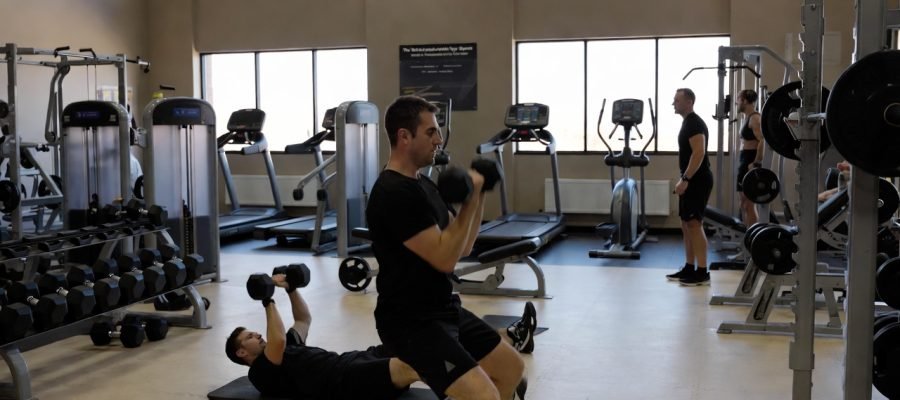

In the pursuit of fitness and health, gym enthusiasts often face the risk of injuries. While exercising can significantly improve your physical well-being, it can also lead to various injuries if not done correctly. These injuries can range from minor strains and sprains to more severe conditions that require professional intervention. Understanding these common gym injuries is crucial for anyone who regularly visits the gym.
Common gym injuries often result from overexertion, improper form, or inadequate warm-up and cool-down routines, which can hinder your body transformation journey. Whether you’re lifting weights, running on a treadmill, or participating in a high-intensity workout class, the potential for injury is ever-present. By educating yourself about these common injuries, you can take proactive steps to prevent them and enjoy a safer workout experience.
Understanding the Causes of Gym Injuries
The causes of gym injuries can be multifaceted. One significant factor is the lack of proper technique and form during exercises. When you perform exercises incorrectly, it puts undue stress on muscles and joints, increasing the likelihood of injury. For example, lifting weights with a rounded back can lead to disc herniations or muscle strains.
Another common cause of gym injuries is overtraining. Pushing your body beyond its limits without allowing for adequate rest and recovery can result in overuse injuries and it may also negatively impact conditions like insulin resistance. These injuries develop over time due to repetitive stress on muscles, tendons, and ligaments. Listening to your body and incorporating rest days into your routine is essential to prevent such injuries.
Additionally, failing to warm up and cool down properly can lead to gym injuries. A good warm-up prepares your muscles and joints for the workout ahead, reducing the risk of strains and sprains. Similarly, cooling down helps your body transition back to a resting state, preventing stiffness and soreness. Neglecting these critical components of a workout routine can make you more susceptible to injuries.
The Most Common Gym Injuries Physiotherapists Encounter
Physiotherapists often treat a wide range of gym-related injuries. One of the most prevalent is the shoulder injury. The shoulder joint is highly susceptible to injury due to its wide range of motion and the heavy loads often placed on it during exercises like bench presses and overhead lifts. Common shoulder injuries include rotator cuff tears and impingement syndrome.
Knee injuries are also commonly seen by physiotherapists. These injuries can arise from improper squatting techniques, overuse, or sudden movements during high-intensity workouts. Conditions such as patellar tendinitis and meniscus tears are frequently encountered and can significantly impair your ability to perform lower-body exercises.
Lower back pain is another frequent complaint among gym-goers, a concern often highlighted by experts like Dr waseem. This can result from poor posture, incorrect lifting techniques, or inadequate core strength. Physiotherapists often address issues like lumbar strains and disc herniations, which can be debilitating if not treated promptly. Understanding these common injuries can help you take preventive measures and seek timely intervention when necessary.
Injury Prevention Strategies for Gym-Goers
Preventing gym injuries is possible with the right strategies. One of the most effective ways to prevent injuries is to ensure you have a structured workout plan that emphasizes gradual progression. Avoid the temptation to lift heavy weights or increase intensity too quickly. Instead, focus on building strength and endurance steadily to minimize the risk of overuse injuries.
Proper form and technique are paramount in injury prevention. Whether you’re performing squats, deadlifts, or any other exercise, maintaining correct posture and alignment is crucial. Consider working with a personal trainer, especially if you’re new to the gym, to learn the proper techniques. A trainer can provide valuable guidance and help you avoid common mistakes that lead to injuries.
Incorporating cross-training into your fitness routine can also help prevent injuries. By engaging in different types of exercises, you can reduce the risk of overuse injuries and improve overall fitness. Activities such as swimming, yoga, or cycling can complement your gym workouts and provide a balanced approach to fitness.
The Role of Warm-Up and Cool-Down in Injury Prevention
Warm-up and cool-down exercises play a vital role in injury prevention. A proper warm-up increases blood flow to your muscles, enhances flexibility, and prepares your body for the demands of exercise. Dynamic stretches and light cardio activities like jogging or jumping jacks are excellent warm-up choices. They help activate your muscles and joints, reducing the risk of strains and sprains.
Cooling down after a workout is equally important. It allows your body to gradually return to a resting state, preventing dizziness and muscle stiffness. Incorporate static stretches and deep breathing exercises to facilitate relaxation and improve flexibility. Cooling down also helps in the removal of metabolic waste products from your muscles, reducing post-exercise soreness.
Neglecting warm-up and cool-down routines can lead to injuries that could easily be avoided. Make it a habit to dedicate at least 5-10 minutes to each, ensuring your workouts are safe and effective. By prioritizing these routines, you can reduce the risk of injury and enhance your overall workout performance.
Importance of Proper Technique and Form
Proper technique and form are the cornerstones of safe and effective workouts. Performing exercises with incorrect form not only diminishes their effectiveness but also increases the risk of injury. For example, when lifting weights, maintaining a neutral spine and engaging your core are essential to prevent lower back injuries.
To ensure you’re using the correct form, start with lighter weights and focus on mastering the movement before increasing the load. Utilize mirrors in the gym to check your alignment and posture during exercises. Alternatively, consider recording yourself to review your form and identify areas for improvement.
Additionally, understanding the biomechanics of each exercise can significantly enhance your technique. Research or seek guidance from fitness professionals to learn the proper way to execute exercises. By prioritizing proper technique, you can maximize the benefits of your workouts while minimizing the risk of injury.
Listening to Your Body: Signs of Overtraining
Listening to your body is crucial in preventing overtraining and injuries. Overtraining occurs when you push your body beyond its capacity without allowing for adequate recovery. It can lead to fatigue, decreased performance, and increased susceptibility to injuries. Recognizing the signs of overtraining is essential for maintaining your health and fitness.
Common signs of overtraining include persistent muscle soreness, decreased motivation, and disrupted sleep patterns. If you notice these symptoms, it’s important to reassess your workout routine and incorporate more rest days. Rest allows your muscles to recover and adapt, reducing the risk of overuse injuries.
Pay attention to any persistent pain or discomfort during or after workouts. Ignoring these signals can exacerbate the problem and lead to more severe injuries. By listening to your body and adjusting your training accordingly, you can prevent overtraining and enjoy a sustainable fitness journey.
Rehabilitation and Recovery from Gym Injuries
Recovering from a gym injury requires a well-structured rehabilitation plan. Physiotherapists play a crucial role in guiding you through the recovery process. They can assess the extent of your injury and design a personalized rehabilitation program to facilitate healing and restore function.
Rehabilitation often involves a combination of exercises to improve strength, flexibility, and range of motion. Physiotherapists may also use modalities such as massage or ultrasound therapy to promote healing and reduce pain. Adhering to your rehabilitation plan and attending regular sessions with your physiotherapist is essential for a successful recovery.
Patience is key during the recovery process. Rushing back into your workout routine before fully healing can lead to re-injury and prolong your recovery time. Follow your physiotherapist’s guidance and gradually reintroduce exercises as you regain strength and confidence. With time and proper care, you can return to your fitness routine stronger and more resilient.
When to Seek Professional Help from a Physiotherapist
Knowing when to seek professional help from a physiotherapist can make a significant difference in your recovery. If you experience severe pain, swelling, or reduced range of motion, it’s essential to consult a physiotherapist promptly. Early intervention can prevent the injury from worsening and facilitate faster recovery.
Physiotherapists are trained to assess and diagnose various musculoskeletal injuries. They can provide expert guidance on appropriate treatment options and rehabilitation exercises. If you’re unsure about the severity of your injury, seeking professional advice is always a wise decision.
Additionally, if you’ve been dealing with a persistent injury that doesn’t seem to improve with rest and self-care, it’s time to see a physiotherapist. They can identify underlying issues and develop a comprehensive treatment plan tailored to your needs. Investing in professional help can save you time and ensure a safe and effective recovery.
Conclusion: Staying Injury-Free While Achieving Your Fitness Goals
Achieving your fitness goals while staying injury-free requires a combination of knowledge, preparation, and self-awareness. By understanding the common causes of gym injuries and implementing effective prevention strategies, you can enjoy a safer and more rewarding fitness journey. Remember to prioritize proper technique, listen to your body, and seek professional help when needed.
As you continue your fitness journey, make injury prevention a top priority. Incorporate warm-up and cool-down routines, cross-training, and rest days into your schedule. By doing so, you’ll not only reduce the risk of injuries but also enhance your overall performance and longevity in the gym.
Please review our business on Google Yelp Facebook
Please visit our Members’ Area to access 100s of health and fitness topics and
Join Our Community to access shared knowledge, tips, tutorials, industry insights, and diverse viewpoints that aren’t easily found elsewhere.
Did you know you can work out and exercise with a trainer at your home, office, hotel room, or anywhere in the world with online personal training?
Like us on Facebook/Connect with us on LinkedIn/Follow us on X/Pinterest/Instagram/YouTube
Make sure to forward this to friends and followers!