
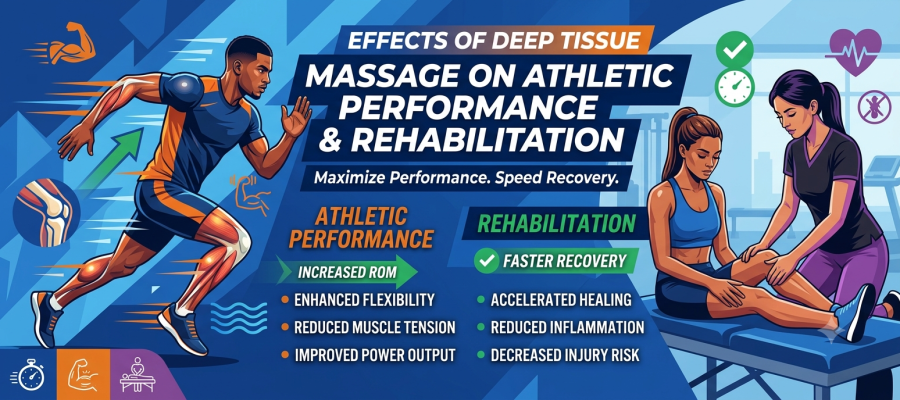

Deep tissue massage is a specialized technique that focuses on realigning deeper layers of muscles and connective tissue. This method is particularly beneficial for athletes who are prone to muscle tension and injuries. By using slow strokes and deep pressure, the massage targets specific areas of tension, which can help reduce chronic pain and improve flexibility.
The primary goal of deep tissue massage is to break down adhesions, which are essentially bands of painful, rigid tissue that can form after an injury or due to repetitive stress. These adhesions can block circulation and cause pain, inflammation, limited movement, and even contribute to a stiff neck. Through this massage, you can significantly alleviate these issues, promoting better circulation and overall muscle health.
For athletes, maintaining peak physical condition is crucial, and incorporating deep tissue massage into your routine can be a game-changer. This technique not only aids in recovery but also prepares your muscles for high-intensity performances. Understanding the fundamentals of deep tissue massage is the first step towards leveraging its full potential in your training regimen.
The Science Behind Deep Tissue Massage and Athletic Performance
The effectiveness of deep tissue back massage in enhancing athletic performance is supported by numerous scientific studies. This massage technique works by targeting the deeper layers of muscle tissues, which are often the source of chronic pain and stiffness. When these layers are thoroughly massaged, it increases blood flow, reduces inflammation, and enhances muscle recovery.
Scientific research has shown that deep tissue massage can lead to an increase in blood circulation, which is essential for delivering nutrients and oxygen to muscles. This increased circulation helps in the removal of metabolic waste products that accumulate after intense physical activity, thereby speeding up recovery and reducing soreness.
Moreover, the release of tension in the deeper muscle layers can improve an athlete’s range of motion, flexibility, and overall performance. While body contouring focuses on enhancing physical appearance, deep tissue massage supports functional movement and muscle health. By incorporating deep tissue massage into your training routine, you can ensure that your muscles remain pliable and responsive, reducing the risk of injury and enhancing your ability to perform at your best.
Benefits of Deep Tissue Massage for Athletes
Athletes can reap multiple benefits from deep tissue massage, making it a worthwhile addition to their training and recovery protocols. One of the primary advantages is the significant reduction in muscle tension and soreness. By addressing muscle knots and adhesions, deep tissue massage helps in alleviating discomfort and promoting relaxation.
Another key benefit is the enhancement of flexibility and range of motion. As the massage targets and releases deep-seated muscle tension, it allows for greater movement freedom, which is crucial for athletic performance. While a facial spa service focuses on relaxation and skin wellness, deep tissue massage is designed to improve muscular function and mobility. Improved flexibility not only aids in performance but also reduces the likelihood of injuries during physical activities.
Furthermore, deep tissue massage supports mental well-being by reducing stress and anxiety levels. The therapeutic nature of the massage promotes the release of serotonin and dopamine, neurotransmitters that enhance mood and reduce stress. This mental clarity and stress relief can be particularly beneficial for athletes who often face high-pressure situations, ensuring they remain focused and composed.
Deep Tissue Massage Techniques for Enhanced Recovery
There are several deep tissue massage techniques that can be utilized to enhance recovery and improve athletic performance. Each technique focuses on different aspects of the muscle structure to provide comprehensive benefits. Understanding these techniques can help you choose the most appropriate one for your needs.
- Stripping – This technique involves applying deep pressure along the length of the muscle fibers. It is particularly effective in addressing muscle adhesions and improving blood flow. By using the practitioner’s thumbs, elbows, or forearms, stripping helps release tension and enhance muscle recovery.
- Friction – This method uses circular or transverse movements over the muscle fibers to break down scar tissue and adhesions. Friction is ideal for treating specific areas of chronic pain and stiffness, allowing for increased mobility and reduced discomfort.
- Trigger Point Therapy – This technique targets specific points of tension within the muscle fibers, known as trigger points. By applying direct pressure to these points, the massage therapist can relieve pain and promote muscle relaxation.
Incorporating these techniques into your deep tissue massage sessions can lead to improved recovery times and enhanced athletic performance. By focusing on muscle health and addressing specific issues, you can optimize your physical capabilities and maintain peak performance levels.
How Deep Tissue Massage Aids in Injury Rehabilitation
Deep tissue massage is an effective tool in the rehabilitation process for athletes recovering from injuries. By focusing on the deeper layers of muscle and connective tissue, it helps to reduce inflammation, alleviate pain, and accelerate the healing process. This makes it an integral part of any comprehensive injury rehabilitation program.
One of the primary ways deep tissue massage aids in rehabilitation is by improving blood circulation to the injured area. Enhanced blood flow promotes the delivery of essential nutrients and oxygen to the damaged tissues, facilitating faster recovery. Additionally, it helps in the removal of toxins and metabolic waste, which can impede the healing process.
Moreover, deep tissue massage can help to break down scar tissue that may form as a result of an injury. Scar tissue can limit mobility and lead to chronic pain if not addressed. By using deep pressure and specific techniques, massage therapists can reduce the formation of scar tissue, improve flexibility, and restore range of motion.
Best Practices for Incorporating Deep Tissue Massage into Training Regimens
Integrating deep tissue massage into your training regimen requires careful planning and consideration to maximize its benefits. Here are some best practices to ensure you make the most of this powerful recovery tool:
- Schedule Regular Sessions: Consistency is key when it comes to deep tissue massage. Aim for regular sessions, ideally once a week, to maintain muscle health and prevent injuries.
- Consult with a Professional: Work with a qualified massage therapist who understands the specific needs of athletes. They can tailor the massage to target areas of concern and optimize performance.
- Listen to Your Body: Pay attention to your body’s signals and adjust your massage frequency and intensity accordingly. If you’re experiencing excessive soreness, it may be necessary to reduce the intensity or frequency of sessions.
By adhering to these best practices, you can effectively incorporate deep tissue massage into your training routine, ensuring optimal performance and recovery outcomes.
Comparing Deep Tissue Massage with Other Massage Techniques
While deep tissue massage offers numerous benefits for athletes, it’s essential to compare it with other massage techniques to determine the best approach for your needs. Understanding the differences between these techniques can help you make informed decisions about your massage therapy.
- Swedish Massage: This technique is known for its gentle and relaxing strokes, focusing on the surface layers of muscles. While it promotes relaxation and stress relief, it may not provide the same level of muscle recovery and tension relief as deep tissue massage.
- Sports Massage: Specifically designed for athletes, sports massage combines elements of Swedish and deep tissue techniques. It aims to prevent injuries, prepare the body for physical activity, and aid in recovery.
- Myofascial Release: This technique focuses on releasing tension in the fascia, the connective tissue surrounding muscles. It is effective for improving flexibility and reducing pain, but may not target deeper muscle layers as effectively as deep tissue massage.
By understanding the unique benefits of each technique, you can choose the most suitable massage therapy to complement your training and recovery goals.
Finding Qualified Deep Tissue Massage Therapists
Selecting a qualified deep tissue massage therapist is crucial to ensure you receive the best possible care and results. Here are some tips to help you find a skilled professional:
- Check Credentials: Verify that the therapist is licensed and certified in deep tissue massage. This ensures they have the necessary training and expertise to provide effective treatment.
- Seek Recommendations: Ask fellow athletes or coaches for recommendations. Personal referrals can help you find a reputable therapist with a proven track record.
- Schedule a Consultation: Before committing to a therapist, schedule a consultation to discuss your specific needs and goals. This will give you an opportunity to assess their expertise and determine if they’re the right fit for you.
By taking these steps, you can find a qualified deep tissue massage therapist who will help you unlock your full athletic potential.
Conclusion: Elevating Athletic Performance Through Deep Tissue Massage
The impact of deep tissue massage on athletic performance and rehabilitation is profound. By targeting deeper muscle layers, this massage technique offers numerous benefits, including improved flexibility, reduced muscle tension, enhanced recovery, and accelerated injury rehabilitation.
Please review our business on Google Yelp Facebook
Please visit our Members’ Area to access 100s of health and fitness topics and
Join Our Community to access shared knowledge, tips, tutorials, industry insights, and diverse viewpoints that aren’t easily found elsewhere.
Did you know you can work out and exercise with a trainer at your home, office, hotel room, or anywhere in the world with online personal training?
Like us on Facebook/Connect with us on LinkedIn/Follow us on X Instagram/YouTube/Pinterest
Make sure to forward this to friends and followers!