
Chronic pain is a complex and often debilitating condition that affects millions of people worldwide. Unlike acute pain, which is a direct response to injury and generally resolves with healing, chronic pain persists for weeks, months, or even longer. This type of pain can stem from various causes, including arthritis, fibromyalgia, migraines, and nerve damage, among others. Understanding the nature of chronic pain is crucial in managing it effectively and improving your quality of life.
The impact of chronic pain extends beyond physical discomfort. It can interfere with daily activities, affect your mental health, and reduce your overall wellbeing. The persistent nature of this pain often leads to frustration, anxiety, and depression, creating a vicious cycle that exacerbates the situation. Recognizing the signs and understanding the triggers of chronic pain are essential steps in breaking this cycle and finding relief, with physical therapy exercises often included as part of a broader approach to managing discomfort.
Various approaches can help manage chronic pain, ranging from conventional medical treatments to alternative therapies. A holistic approach that combines different strategies often yields the best results. By understanding your specific pain condition and the available management options, you can tailor a plan that addresses your unique needs and improves your quality of life.
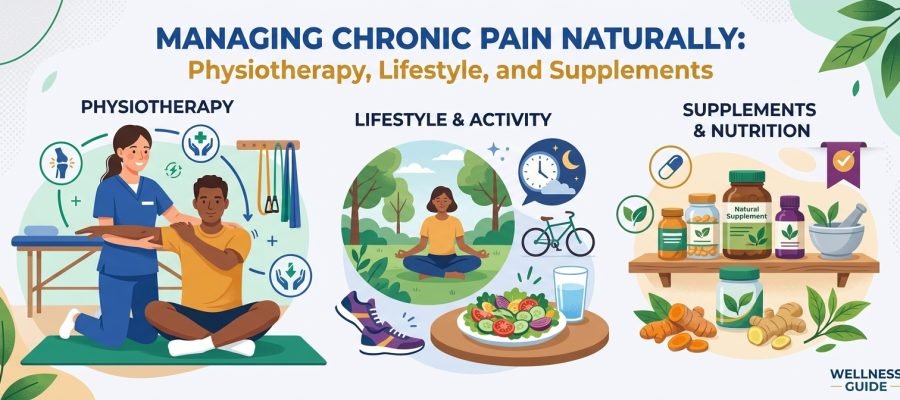
The Role of Physiotherapy in Pain Management
Physiotherapy is a cornerstone in the management of chronic pain, offering a non-invasive and drug-free approach to relief. This form of therapy focuses on improving mobility, strength, and function through targeted exercises and manual techniques. By working with a qualified physiotherapist, you can develop a comprehensive plan tailored to your specific condition, helping you regain control over your body and reduce pain.
One of the key benefits of physiotherapy is its personalized nature. Your physiotherapist will conduct a thorough assessment to understand your pain triggers, physical limitations, and overall health status. Based on this evaluation, they will design a program that includes specific exercises, stretches, and manual therapies aimed at alleviating pain and improving function. Depending on your overall wellness goals, protein supplements may also be considered as part of a balanced approach to supporting recovery and fitness. Regular sessions can lead to significant improvements in pain levels and quality of life.
In addition to exercise and manual therapy, physiotherapy may incorporate modalities such as ultrasound, electrical stimulation, or heat therapy. These techniques can enhance the benefits of your treatment plan, providing additional pain relief and promoting healing. By engaging in physiotherapy, you can take an active role in managing your chronic pain, leading to long-term improvements and greater independence.
Lifestyle Changes to Alleviate Chronic Pain
Adopting lifestyle changes is a powerful way to manage chronic pain and enhance your overall wellbeing. Although these changes may require effort and dedication, they can lead to significant improvements in your condition. Simple adjustments in your daily routine and habits can make a profound difference in your pain levels and quality of life.
- Physical Activity: Engaging in regular physical activity is crucial for managing chronic pain. Exercise releases endorphins, the body’s natural painkillers, and helps maintain flexibility and strength. Choose activities you enjoy, such as walking, swimming, or yoga, and aim for at least 150 minutes of moderate exercise each week.
- Sleep Hygiene: Quality sleep is vital for pain management. Establish a regular sleep schedule, create a relaxing bedtime routine, and ensure your sleep environment is comfortable and conducive to rest. Adequate sleep can help reduce pain sensitivity and improve your overall mood and energy levels.
- Stress Management: Chronic pain and stress often go hand in hand, exacerbating one another. Implementing stress-reduction techniques, such as deep breathing, meditation, or tai chi, can help you manage your pain more effectively. Finding time for relaxation and self-care is essential in maintaining a balanced and healthy lifestyle.
The Impact of Nutrition on Chronic Pain
Nutrition plays a significant role in managing chronic pain, influencing inflammation and overall health. A balanced diet rich in anti-inflammatory foods can help reduce pain levels and improve your wellbeing. Understanding the connection between what you eat and how you feel is a critical aspect of holistic pain management.
- Anti-inflammatory Foods: Incorporating foods that fight inflammation can be beneficial. These include fruits and vegetables, whole grains, nuts, seeds, and fatty fish rich in omega-3 fatty acids. Consuming a variety of these foods can help decrease inflammation and alleviate chronic pain.
- Avoiding Trigger Foods: Certain foods may exacerbate pain and inflammation. These often include processed foods, refined sugars, and trans fats. By identifying and reducing these items in your diet, you can minimize pain triggers and enhance your health.
- Staying Hydrated: Adequate hydration is often overlooked but is crucial for managing pain. Dehydration can exacerbate pain and fatigue, making it harder to cope with chronic conditions. Ensure you drink enough water throughout the day to support your body’s functions and maintain optimal health.
Supplements for Chronic Pain Relief: What You Need to Know
Supplements can be a valuable addition to your pain management plan, offering natural relief and supporting overall health. While they should not replace conventional treatments, certain supplements have shown promise in alleviating chronic pain. It is essential to consult with a healthcare professional before beginning any supplement regimen.
- Omega-3 Fatty Acids: Known for their anti-inflammatory properties, omega-3 fatty acids can help reduce pain and stiffness, particularly in conditions like arthritis. Fish oil supplements are a popular source, but you can also obtain omega-3s from flaxseeds, chia seeds, and walnuts.
- Turmeric and Curcumin: Turmeric, and its active compound curcumin, have strong anti-inflammatory and antioxidant effects. Including turmeric in your diet or taking curcumin supplements can help manage pain and inflammation naturally.
- Magnesium: Magnesium plays a vital role in muscle and nerve function. Deficiencies in this mineral can lead to increased pain sensitivity. Magnesium supplements can help relax muscles and reduce pain, particularly in conditions like fibromyalgia and migraines.
Mindfulness and Stress Reduction Techniques
Mindfulness and stress reduction techniques are powerful tools in managing chronic pain. By focusing on the present moment and cultivating a sense of calm, you can reduce the psychological burden of pain and improve your overall wellbeing. These practices can be integrated into your daily routine to provide ongoing support.
- Mindfulness Meditation: Practicing mindfulness meditation involves paying attention to your breath and bodily sensations without judgment. This practice can help you become more aware of your pain, reducing its intensity and impact on your life. Regular meditation sessions can enhance your ability to cope with pain and improve your mental health.
- Progressive Muscle Relaxation: This technique involves systematically tensing and relaxing different muscle groups to alleviate tension and stress. By practicing progressive muscle relaxation, you can reduce muscle stiffness and pain, promoting a sense of calm and relaxation.
- Guided Imagery: Guided imagery involves visualizing peaceful scenes or experiences to distract from pain and promote relaxation. This technique can help shift your focus away from discomfort and create a sense of tranquility, aiding in pain management.
The Importance of a Support System
Having a solid support system is essential in managing chronic pain. Friends, family, and support groups can provide encouragement, understanding, and assistance in your journey. Building a network of support can greatly enhance your ability to cope with pain and improve your quality of life.
- Family and Friends: Engaging with loved ones who understand your condition can provide emotional support and practical assistance. Sharing your experiences and challenges with those you trust can alleviate feelings of isolation and enhance your overall wellbeing.
- Support Groups: Joining a support group offers the opportunity to connect with others who are experiencing similar challenges. These groups provide a platform to share information, coping strategies, and encouragement, fostering a sense of community and belonging.
- Professional Support: Working with a counselor or therapist can help you navigate the emotional aspects of chronic pain. Professional guidance can provide valuable coping strategies and help you develop resilience in the face of persistent pain.
Combining Conventional and Natural Approaches
Integrating both conventional and natural approaches can offer a comprehensive strategy for managing chronic pain. This combination allows you to address your condition from multiple angles, enhancing pain relief and overall health. Collaboration with healthcare professionals is key in developing a balanced and effective pain management plan.
- Medical Treatments: Conventional treatments, such as medications, injections, or surgery, can provide necessary relief for certain conditions. Working with your healthcare provider to explore these options can ensure you receive appropriate care while minimizing potential side effects.
- Natural Therapies: Complementary therapies, such as acupuncture, massage, or chiropractic care, can enhance the effects of conventional treatments. These therapies offer additional pain relief and support your body’s natural healing processes.
- Personalized Plan: Creating a personalized pain management plan involves evaluating various treatment options and tailoring them to your specific needs. Regular communication with your healthcare team ensures your plan remains effective and adapts to any changes in your condition.
When to Seek Professional Help for Chronic Pain
Recognizing when to seek professional help is crucial in managing chronic pain effectively. Persistent pain that interferes with your daily activities, mental health, or quality of life warrants attention from a healthcare provider. Early intervention can prevent further complications and improve your prognosis.
- Persistent Pain: If your pain persists despite self-management strategies, it may be time to consult a healthcare professional. They can conduct a thorough evaluation and recommend appropriate treatments to address your condition.
- Mental Health Impact: Chronic pain can take a toll on your mental health, leading to anxiety, depression, or mood swings. If you notice changes in your mental wellbeing, seeking support from a mental health professional can provide valuable coping strategies.
- Functional Limitations: Pain that limits your ability to perform daily activities, work, or enjoy hobbies should be addressed by a healthcare provider. Collaborating with a multidisciplinary team can help you regain function and improve your overall quality of life.
Conclusion: Embracing a Holistic Approach to Pain Management
Embracing a holistic approach to chronic pain management involves integrating various strategies to address the physical, emotional, and social aspects of your condition. By combining physiotherapy, lifestyle changes, nutrition, supplements, mindfulness, and professional support, you can effectively manage pain and enhance your quality of life.
Taking a proactive role in your pain management journey empowers you to make informed decisions and create a tailored plan that meets your unique needs. Remember, you are not alone in this journey. Seek support from healthcare professionals, loved ones, and support groups to guide you along the way.
Please review our business on Google Yelp Facebook
Please visit our Members’ Area to access 100s of health and fitness topics and
Join Our Community to access shared knowledge, tips, tutorials, industry insights, and diverse viewpoints that aren’t easily found elsewhere.
Did you know you can work out and exercise with a trainer at your home, office, hotel room, or anywhere in the world with online personal training?
Like us on Facebook/Connect with us on LinkedIn/Follow us on X Instagram/YouTube/Pinterest
Make sure to forward this to friends and followers!