
How Corporate Wellness Programs Can Help Employees Build Healthier Habits Without Adding More Stress to the Workday
Back-to-back meetings. Long hours at a desk. Skipped lunches. Constant deadlines.
Sound familiar?
For many employees, the workday leaves little time or energy for exercise, balanced nutrition, stress management, or recovery. Even people who want to make healthier choices can struggle when their schedules and workplace environments work against them.
As a business leader, you may be focused on productivity, employee engagement, customer satisfaction, and your company’s bottom line. But have you considered how your workplace routines affect your employees’ ability to take care of themselves?
What if improving workplace wellness didn’t require employees to completely overhaul their lifestyles or add another complicated task to their calendars?
The answer may be simpler than you think.
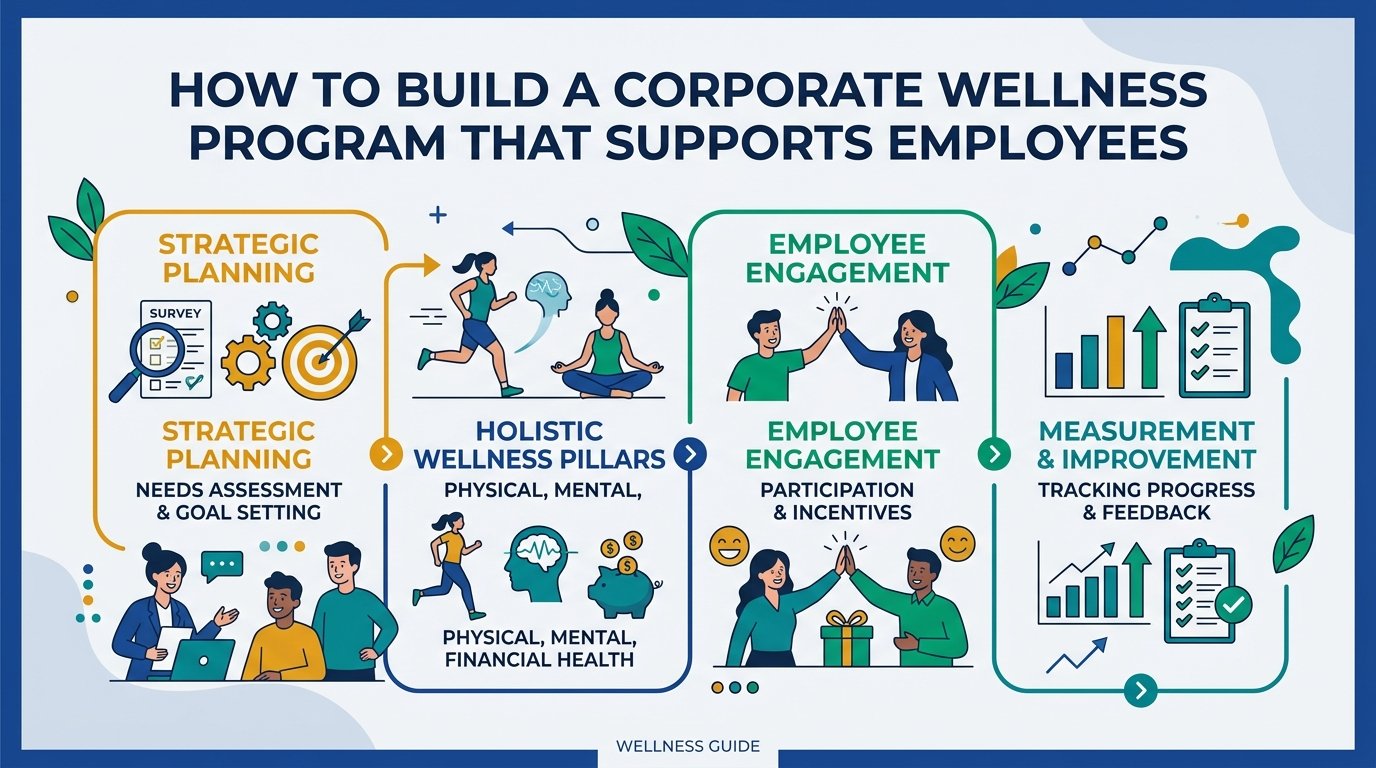
A practical corporate wellness program can help employees incorporate fitness, nutrition, movement, and stress-management strategies into their existing routines. The goal isn’t to create another demand on their time. It’s to make healthier choices more accessible, realistic, and sustainable.
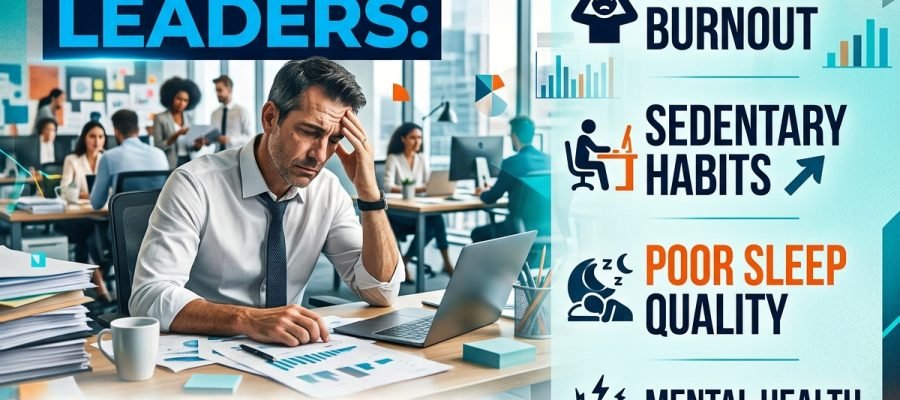
How Workplace Habits Can Make Healthy Living More Difficult
Employees spend a significant portion of their waking hours working. The habits and expectations surrounding that work can influence how they move, eat, manage stress, and recover.
Here are five common workplace challenges that can make healthy living harder.
- Sitting for Hours Without Moving
A full calendar often means sitting through meetings, answering emails, working at a computer, and moving from one deadline to the next.
Over time, long periods of uninterrupted sitting can contribute to a sedentary lifestyle. Employees may finish the day feeling stiff, tired, or mentally drained, with little motivation to exercise afterward.
A simple solution: Encourage employees to take brief movement breaks throughout the day. Standing up, walking down the hallway, stretching, or taking the stairs can help break up sitting time.
These activities don’t need to be intense or time-consuming. The objective is to make regular movement a normal part of the workday.
- Skipping Meals or Making Rushed Food Choices
When meetings run long and deadlines pile up, lunch can become an afterthought.
Employees may skip meals, rely on whatever food is convenient, or reach for snacks and caffeine to get through the afternoon. While occasional schedule disruptions are inevitable, consistently neglecting balanced meals can make it harder to maintain a reliable nutrition routine.
A simple solution: Provide practical nutrition education that employees can use immediately.
For example, encourage employees to plan simple meals that include protein, vegetables or fruit, fiber-rich carbohydrates, and healthy fats. Share easy breakfast ideas, quick lunch options, and strategies for preparing food ahead of a busy week.
The objective isn’t to prescribe a restrictive diet. It’s to help employees make informed, realistic nutrition choices that fit their needs, preferences, and schedules.
- Constant Stress and Limited Recovery
Every business has deadlines, challenges, and periods of intense demand. The problem arises when high-pressure periods become the norm and employees have few opportunities to recover.
Work-related stress can affect sleep, concentration, mood, and the ability to maintain healthy routines. Employees may find themselves skipping workouts, eating inconsistently, or struggling to disconnect from work.
A simple solution: Make stress management and recovery part of your workplace wellness strategy.
Consider offering educational workshops on stress management, breathing techniques, healthy sleep routines, and the importance of recovery. Encourage employees to take appropriate breaks and support realistic expectations around workloads and availability.
Wellness initiatives can help employees develop useful coping strategies, but they work best alongside organizational practices that address the sources of unnecessary workplace stress.
- Treating Exercise as an All-or-Nothing Activity
Some employees believe that exercise only counts if they have 45–60 minutes available for a formal workout.
When their schedules don’t allow for it, they may do nothing at all.
But physical activity doesn’t have to happen in one long session. Short periods of movement can contribute to overall activity levels and help employees build consistency.
A simple solution: Promote lifestyle exercise—finding opportunities to move during activities employees already do.
Examples include:
- Walking while taking phone calls when practical.
- Taking the stairs instead of the elevator.
- Scheduling a short walk during lunch.
- Doing a few comfortable bodyweight movements between meetings.
- Taking a brief walk after sitting for an extended period.
- Using walking meetings when the topic and circumstances allow.
These small changes won’t replace every benefit of structured strength and cardiovascular training, but they can help employees become more active without requiring a complete schedule overhaul.
- Making Wellness an Individual Responsibility Only
Even motivated employees can struggle to maintain healthy habits if the workplace makes those habits difficult.
For example, an employee may want to take a walk during lunch but feel pressured to remain at their desk. Another may want to eat a balanced meal but have limited access to convenient, nutritious options.
Telling employees to exercise more or manage stress better is unlikely to be enough if workplace expectations consistently get in the way.
A simple solution: Build a workplace culture that supports healthy behaviors.
Business leaders can help by making movement breaks acceptable, sharing credible health and nutrition resources, offering flexible wellness opportunities, and ensuring employees have reasonable ways to participate.
The goal is to create an environment where healthy choices are encouraged rather than treated as an inconvenience.
Five Practical Corporate Wellness Strategies Your Company Can Start Using
Corporate wellness doesn’t have to begin with an expensive gym, an elaborate challenge, or a complicated benefits package.
Start with practical strategies that fit your organization, workforce, and budget.
- Encourage Short Movement Breaks
Help employees understand that they don’t have to wait until the end of the workday to move.
A few minutes of walking, stretching, or standing between tasks can help break up long periods of sitting.
You could introduce optional hourly movement reminders, share desk-friendly exercise ideas, or encourage teams to take short walking breaks when their schedules permit.
The key is to make movement convenient and inclusive for employees with different fitness levels and physical abilities.
- Make Walking Meetings an Option
Not every meeting requires a conference room or a video call.
For appropriate one-on-one conversations, brainstorming sessions, or informal check-ins, consider offering walking meetings.
Walking meetings can create an opportunity for movement while keeping employees engaged in their work. They aren’t appropriate for every discussion, so retain seated and remote options for accessibility, confidentiality, and individual preference.
- Share Simple, Useful Nutrition Education
Employees don’t need another complicated set of food rules.
They need information they can put into practice when they’re busy.
Consider offering short workshops, educational emails, or downloadable resources covering topics such as:
- Building a balanced lunch.
- Planning quick, nutritious meals.
- Understanding protein, fiber, and portion balance.
- Preparing healthy snacks for the workday.
- Staying hydrated.
- Making practical food choices while traveling for work.
Useful nutrition education focuses on flexibility, consistency, and informed decisions—not perfection.
- Provide Stress Management and Recovery Resources
Employee well-being involves more than exercise and food choices.
Stress management, sleep, recovery, and healthy boundaries all influence how employees feel and function throughout the workday.
Consider providing workshops on managing stress, improving sleep habits, developing sustainable routines, and recognizing when additional professional support may be appropriate.
Pair these resources with leadership practices that support reasonable workloads, clear expectations, and appropriate time away from work.
- Make Wellness Accessible to Different Employees
A successful corporate wellness program should reflect the needs of the people who will use it.
Employees have different schedules, fitness levels, health considerations, cultural preferences, and responsibilities outside work. A single program or activity may not work for everyone.
Consider offering a combination of options, such as:
- Onsite or virtual fitness sessions.
- Short educational webinars.
- Beginner-friendly movement programs.
- Nutrition education.
- Desk mobility and stretching resources.
- Stress-management workshops.
- Flexible challenges that reward consistency and participation.
For hybrid and remote teams, digital resources can make it easier to participate regardless of location.
How Corporate Wellness Can Support Business Performance
Corporate wellness isn’t just about helping employees exercise more. A thoughtful program can support a broader strategy for employee well-being and organizational effectiveness.
Potential benefits include:
Improved employee engagement. When wellness activities are relevant, accessible, and supported by leadership, they can provide additional opportunities for employees to participate in their workplace community.
Healthier daily routines. Practical education and convenient opportunities for movement can help employees make healthier choices more consistently.
A more supportive workplace culture. Wellness initiatives can demonstrate that employee well-being is part of the organization’s priorities.
Support for productivity and focus. Physical activity, balanced nutrition, adequate sleep, and stress-management strategies can contribute to overall well-being, which may support employees’ ability to function effectively at work.
Better-informed benefits and risk-management decisions. When companies evaluate workforce needs and track appropriate program measures, they can make more informed decisions about future wellness investments.
It’s important to be realistic: results depend on program design, employee participation, leadership support, organizational conditions, and how outcomes are measured. A wellness program does not guarantee lower healthcare costs, reduced absenteeism, or improved productivity.
For business leaders, the best approach is to establish clear goals, measure meaningful outcomes, and improve the program based on employee feedback and available data.
How to Know Whether Your Corporate Wellness Program Is Working
Launching a program is only the first step. To understand its value, decide what success should look like before you begin.
Start by identifying the specific challenges your organization wants to address.
For example, are employees struggling with long periods of sitting? Do they want more practical nutrition information? Are stress and recovery important concerns? Is participation in existing wellness activities low?
Once you understand the needs, choose measures that align with your goals.
Possible measures include:
- Employee participation and continued engagement.
- Employee feedback and satisfaction.
- Attendance at wellness workshops.
- Use of available fitness and nutrition resources.
- Self-reported changes in movement and other wellness habits.
- Relevant absenteeism, injury, or healthcare-cost trends, where appropriate data is available.
Protect employee privacy when collecting health-related information. Use appropriate safeguards, communicate how information will be used, and report group-level findings whenever possible.
Most importantly, use the results to make the program more useful. If employees aren’t participating, investigate whether scheduling, accessibility, communication, or program design is creating barriers.
A corporate wellness program should evolve as your workforce and business needs change.
Corporate Wellness Doesn’t Have to Be Complicated
As a business leader, you don’t need to transform your entire workplace overnight.
Start by identifying a few obstacles that make healthy habits difficult. Encourage short movement breaks. Make walking meetings an option. Share practical nutrition guidance. Provide resources for stress management and recovery. Give employees realistic opportunities to participate.
Then build on what works.
At Destiny Management, we believe fitness and nutrition should fit into people’s lifestyles—not force people to reorganize their entire lives around a wellness plan.
That same philosophy applies to corporate wellness. Effective programs should be practical, personalized to the organization, and designed to help employees develop habits they can maintain.
When businesses make employee well-being a meaningful part of workplace culture, wellness becomes more than another initiative on the calendar. It becomes an ongoing effort to support healthier people and a healthier workplace.
Ready to Make Workplace Wellness More Practical?
If you’re an executive, business owner, or HR professional, ask yourself one question:
Is your workplace making it easier for employees to take care of themselves—or harder?
You don’t have to figure out the answer alone.
Destiny Management helps organizations explore practical fitness, nutrition, and corporate wellness strategies designed around their workforce, business goals, and available resources.
Schedule your FREE Wellness Roadmap Session to discuss your company’s needs, identify opportunities for improvement, and explore practical next steps.
Visit wellness.destinymgmt.com to learn more. Let’s Build the Best You!
Please review our business on Google Yelp Facebook
Please visit our Members’ Area to access 100s of health and fitness topics and
Join Our Community to access shared knowledge, tips, tutorials, industry insights, and diverse viewpoints that aren’t easily found elsewhere.
Did you know you can work out and exercise with a trainer at your home, office, hotel room, or anywhere in the world with online personal training?
Like us on Facebook/Connect with us on LinkedIn/Follow us on X Instagram/YouTube/Pinterest
Make sure to forward this to friends and followers!