

Introduction
Business owners spend many restless nights worrying about rising costs, intense competition, and gaps in their workforce. While many owners recognize the deep connections between these issues and the health of their workforce, far too many do not, or do not act on what they recognize. This means owners often miss the enormous return on investment (ROI) associated with employee health and wellness.
Employees are not machines and the collected stresses of their lives do not stay at home. These things spill over into the workplace and negatively impact productivity.
The desire for corporate wellness programs has exploded in recent years as more and more businesses recognize the strong, positive correlation between the health of their workforce and their bottom line. This article will explore corporate wellness programs, their importance, and how to effectively implement one to achieve positive results for a business.
What Is A Corporate Wellness Program?
Wellness programs have been around for several decades and have evolved over that time. These programs allow employers to address the health and wellness of their workforces by offering a range of activities and initiatives.
Early wellness programs focused on gym discounts and health screenings. More recently, the definition of “wellness program” has greatly expanded. Now programs may include mental health days, counseling, yoga, mindfulness, nutrition education, fitness challenges, ergonomic assessments, financial coaching, and more.
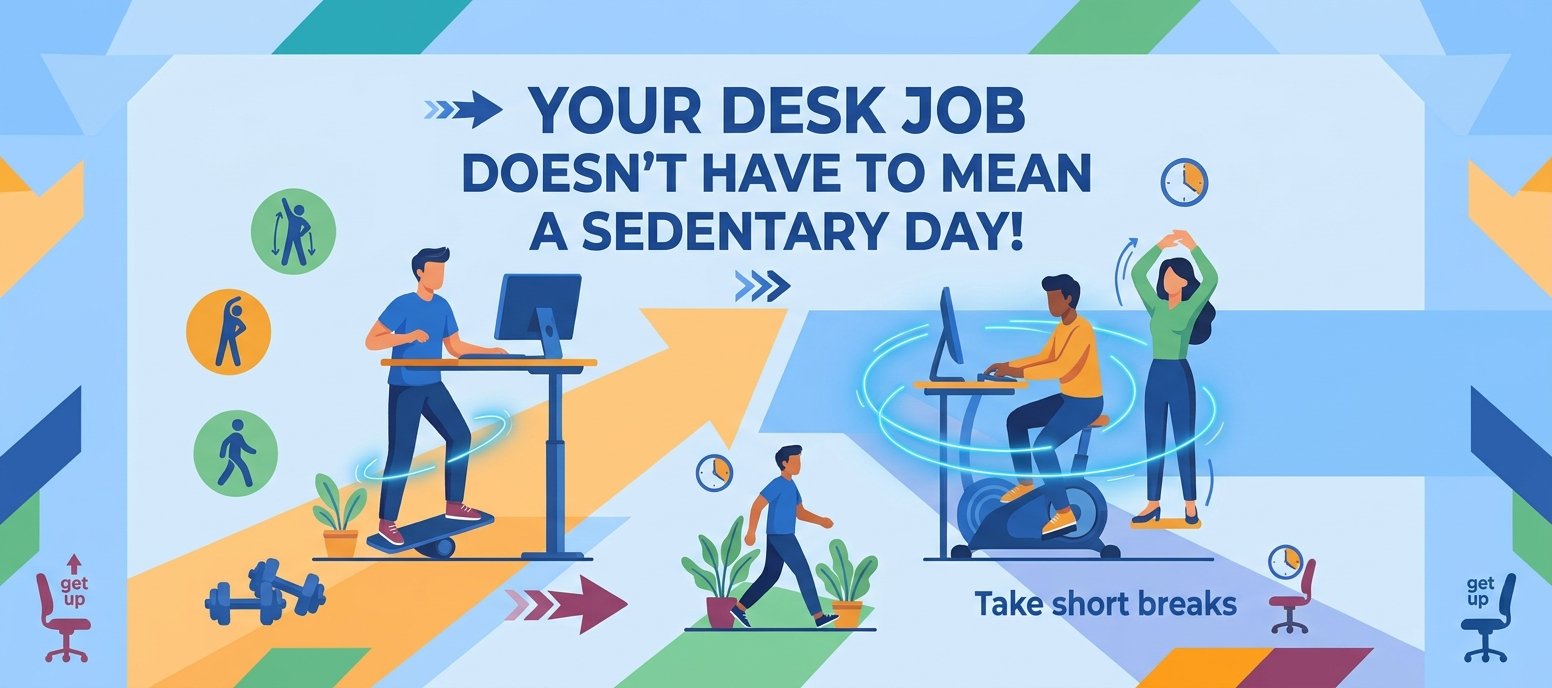
The best wellness programs understand the value in treating employees as whole people. Health and wellness shouldn’t be separated between “work” and “life.” A person suffering from anxiety at home will be anxious during a presentation at work. A person with back pain from sitting all day will be distracted and have poor focus during a work meeting. Programs that integrate mindfulness, meditation, ergonomics, and mental health first aids are greatly beneficial.
Reason One: More Productive Employees
There is a strong case to be made that investing in employee wellness is the best thing a company can do for its bottom line.
The World Health Organization has stated that depression and anxiety together account for roughly 12 billion lost work days each year and cost the global economy upwards of $1 trillion. These statistics, of course, do not include other health conditions.
Because of the incredible scope of this issue, it makes sense that an employee wellness program focus on:
- Physical activity to increase mental energy and clarity.
- Improving sleep quality and quantity.
- Managing stress and giving employees tools to control their fight or flight response.
- Healthy food choices lead to less of an energy crash in the afternoons, which in turn boosts productivity.
The improvement in employees’ overall health and wellness leads to increases across the board in areas like error rates and the average time to resolve a problem. Increases in these numbers may appear small at the individual level, but multiplied across an entire workforce, they have the potential to dramatically improve a company’s competitive edge.
The second key benefit is a decrease in overall healthcare costs and sick days.
Conditions like heart disease, obesity, and type II diabetes are costly, and the lifestyle choices that contribute to them are habits that can be addressed by a company wellness program.
The key to successfully addressing and defeating hidden chronic issues is to be proactive. Employees who are educated on their health and wellness through regular screenings and check ups may be able to avoid a major event down the line.
Sickness can be seen, but often unaddressed, presenteeism is an even larger issue. Absenteeism and presenteeism cost companies money and wellness programs can be a way to address the issues.
A program provides a preventive measure that improves an employee’s overall health. It makes sense from a financial viewpoint. A wellness program brings many intangibles that improve a company, like engaging employees, and help eliminate sick days, or at least recover from them quickly.
Reason Three: The Need for Mental Health Support
The part of corporate wellness that has expanded the most has been mental health. Burnout, anxiety and depression have become workplace norms. Employees have come to expect their employers to address them.
Old ways of coping with mental health issues no longer work. People can’t just leave their mental health issues at the door and stop thinking about them when they enter the workplace. Pretending issues don’t exist just leads to people taking sick leave and resigning from their jobs. Innovative companies have incorporated mental health benefits into their offerings.
There are numerous ways to address mental health issues at work. Companies can train their managers to recognize the signs of burnout and teach them how to deal with them in an empathetic manner. Some give their employees mental health days, or offer them flexibility to adjust their work hours and a quiet place to work.
Partnering with align psychiatry gives employees the opportunity to receive services from a board certified psychiatrist to help them deal with anxiety and stress related issues. Access to mental health support helps employees to deal with their issues before things get out of hand.
All of this starts from the top. Employees notice and appreciate it when executives take their own breaks and also take steps to encourage their employees to take breaks and utilize their corporate wellness benefits.
Reason Four: Stronger Talent Attraction and Retention
Today’s candidate-driven job market requires companies to consider the whole person when hiring and retaining top talent.
Candidates research a company’s culture, look for flexibility and ask questions about the company’s support for their health and well-being even before they ask about pay. Culture, flexibility and well-being have rapidly risen in importance to job seekers.
Obviously, companies want to hire the best and then support them to help them remain best. It is far less costly to support an employee than replace them. Company wellness programs are an outward statement of the company’s support for employees as whole persons and are marketing differentiators.
A wellness program sends a strong message to candidates and offers the company an edge over competitors when candidates ask about salary and benefits during compensation negotiations.
Company wellness programs pay dividends by building emotional loyalty and retention. There’s no greater marketing tool than a wellness program that employees remember and give back to the company by increased effort and commitment.
A wellness program is easy to launch but planning makes a program really pay off for a company. Check out the action steps to learn more.
Listening Pays Off. Before spending money on what you think your employees may need, ask them. Use a short anonymous survey to see if employees would benefit from fitness, mental health, or financial wellness resources, or something else. You are less likely to succeed with something big and new if you don’t know your employees’ specific needs.
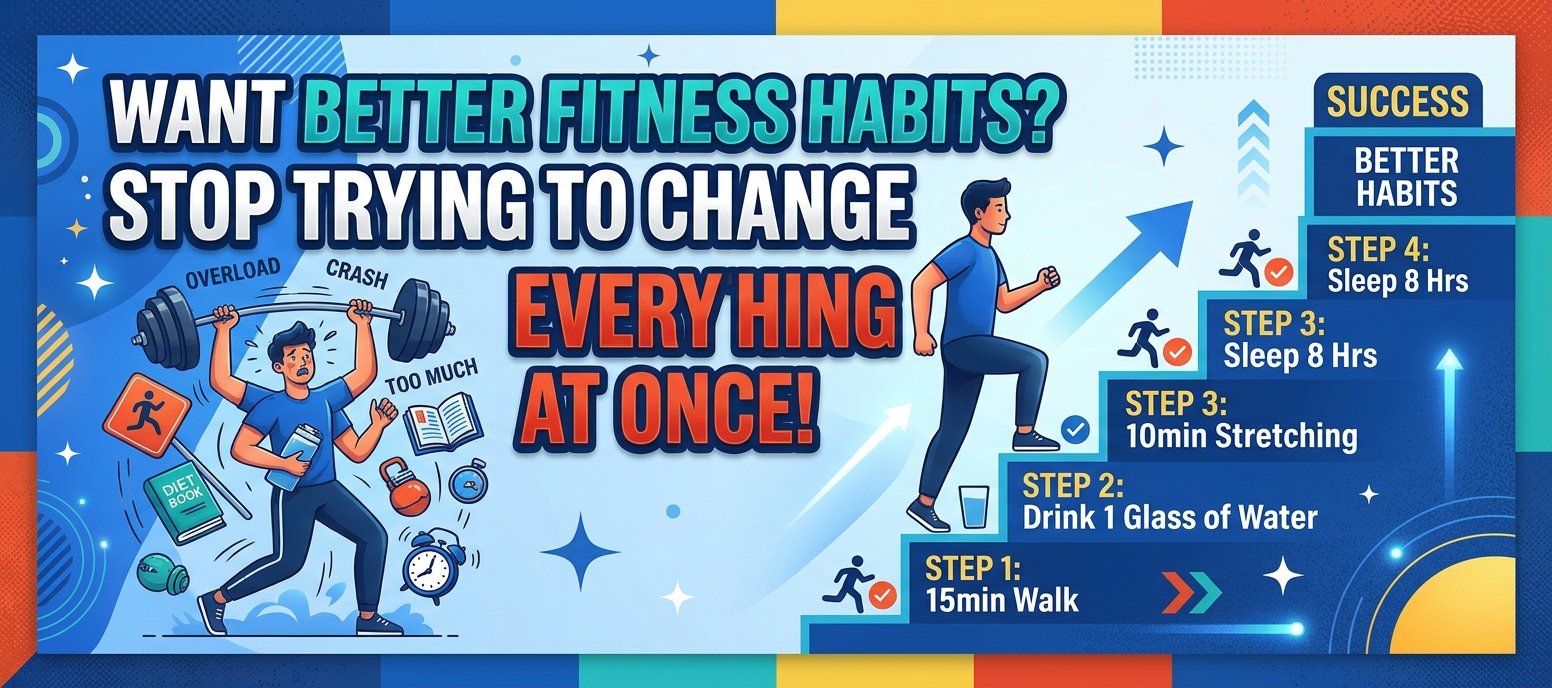
Start small. You do not have to spend a lot of money on your first wellness program. Start with two or three initiatives and grow based on your employees’ preferences.
Think of the whole employee population. Not every employee will want to participate in a running club. Think about different activities to promote health and wellness for your remote employees, employees with different shifts and abilities, and employees with different interests. The more accessible the program, the more successful the program will be.
Keep it confidential. Employees will not engage in a wellness program if they feel their health information will not be kept confidential. Be clear about what information you will collect and why.
Managers are your Partners. Wellness program efforts will be strengthened if Managers know how to support their teams and can model healthy behaviors.
Measuring and Adjusting. Evaluate the effectiveness of your program by reviewing employee participation, satisfaction, turnover, and absenteeism. Use what you find to modify the program. A successful wellness program needs to change to grow with your organization.
There are a few common mistakes when it comes to wellness programs. The first is treating wellness as a one-time event. Wellness programs should be ongoing. A one-time event, like a wellness week, will not effectively change employee habits. Consistency should be the focal point of your wellness efforts.
Participation in wellness programs should be pressure-free. This is especially true when it comes to biometric screenings. If participation in a wellness program feels mandatory or judgemental, it will backfire. Programs should always be encouraged and voluntary.
Lastly, wellness benefits will not fix a culture of constant overtime. A meditation app will not solve a real issue with unreasonable job demands. Respect for personal time and reasonable expectations along with wellness benefits is what is best for employees.
The Bigger Picture: Wellness as a Business Strategy
Wellness programs are an investment, not a cost. Many companies see wellness spending as a cost because they do not see the immediate returns. Wellness programs foster a more healthy, focused and motivated workforce which increases productivity, lowers turnover and makes a positive impact on the company’s bottom line.
Looking to the future, companies should see wellness benefits as a way to future-proof their company. Wellness programs build a workforce that is focused and healthy enough to thrive in an ever-changing business world.
Conclusion
Most companies should implement wellness benefits to gain long-term employees, productivity gains and reduced healthcare costs. There are numerous effects of ignoring workplace health, and many benefits of effectively implementing wellness programs. Organizations like the WHO show how much is at risk for ignoring workplace health and how much is gained for addressing it.
Please review our business on Google Yelp Facebook
Please visit our Members’ Area to access 100s of health and fitness topics and
Join Our Community to access shared knowledge, tips, tutorials, industry insights, and diverse viewpoints that aren’t easily found elsewhere.
Did you know you can work out and exercise with a trainer at your home, office, hotel room, or anywhere in the world with online personal training?
Like us on Facebook/Connect with us on LinkedIn/Follow us on X Instagram/YouTube/Pinterest
Make sure to forward this to friends and followers!