
Simple Workplace Wellness Strategies to Help You Move More, Feel Better, and Build a Healthier Workday
Do you spend most of your workday sitting?
Between back-to-back meetings, emails, phone calls, deadlines, and computer work, it’s easy to spend hours in the same chair without thinking about it.
You start the day with good intentions. Maybe you’ll take a walk during lunch or fit in a workout after work. But as the day gets busier, those plans often get pushed aside.
Before you know it, you’ve spent most of the day sitting, and the last thing you feel like doing is exercising when you get home.
Sound familiar?
Here’s something worth considering: You don’t have to wait until the end of the workday to get moving.
Your workplace can provide plenty of opportunities to incorporate physical activity into your daily routine. You don’t need a gym, special equipment, or an hour-long workout. Sometimes, the best place to start is simply by moving more throughout the day.
As a fitness and nutrition professional, one of the strategies I encourage busy professionals to consider is making exercise fit their lifestyle—not forcing their lifestyle to fit exercise.
Let’s look at some practical ways to reduce prolonged sitting, add movement to your workday, and create a healthier workplace environment.
Why Sitting All Day Can Be a Problem
Modern work has made many jobs less physically active.
Whether you’re working in an office, managing a business, or working remotely from home, much of your day may involve sitting at a desk.
While sitting is a normal part of many jobs, spending long periods without movement can contribute to a sedentary lifestyle.
Extended sitting is associated with several health concerns, including increased risk of cardiovascular disease and other chronic health conditions. Regular exercise is important, but it doesn’t necessarily eliminate the need to break up long periods of sitting.
In other words, completing a workout before or after work is valuable, but what you do during the other hours of your day matters too.
The good news? You can begin making changes without completely rearranging your schedule.
5 Simple Workplace Wellness Strategies to Move More During the Day
You don’t need to turn your office into a fitness center. The goal is to find practical opportunities to move more often.
Here are five simple strategies you can start using today.
- Stand Up or Walk Between Meetings
How many meetings do you attend in a typical day?
If you’re like many busy professionals, you may spend hours moving from one meeting to another without getting out of your chair.
Instead of remaining seated between appointments, use those few minutes to move.
Try:
- Standing up and stretching after a meeting.
- Walking down the hallway before your next appointment.
- Taking a few laps around your office.
- Walking to speak with a colleague when practical instead of sending another email.
- Standing while reviewing notes or making a phone call.
Even brief periods of movement can help interrupt extended sitting.
Try this: Make it a habit to stand up and move for a couple of minutes between meetings whenever your schedule allows.
- Set a Reminder to Move Every Hour
It’s easy to lose track of time when you’re focused on a project.
You may sit down to complete one task and suddenly realize several hours have passed.
One simple solution is to use a calendar reminder, phone alarm, or computer notification to prompt you to move.
When your reminder goes off:
- Stand up.
- Walk around your workspace.
- Do a few comfortable calf raises.
- Roll your shoulders.
- Stretch your arms and upper back.
You don’t need an elaborate routine. A short movement break is a good place to start.
If an hourly reminder doesn’t fit your workflow, choose a schedule that works better for your day.
Try this: Set a reminder to move once an hour during your normal work schedule. Make it a regular part of your routine rather than something you only do when you remember.
- Stretch Your Hips and Upper Back
Sitting for extended periods can leave many people feeling stiff, especially around the hips, shoulders, and upper back.
A few simple mobility exercises throughout the day may help you feel more comfortable and maintain your ability to move through everyday activities.
Here are three options to try:
Standing hip stretch: Stand near your desk, place one foot slightly behind the other, and gently shift your weight forward until you feel a comfortable stretch in the front of your hip. Avoid arching your lower back.
Shoulder rolls: Slowly roll your shoulders backward several times, then reverse direction.
Upper-back mobility: Sit or stand tall, gently reach your arms forward, and allow your upper back to round slightly. Return to a comfortable upright position.
Move slowly, avoid forcing a stretch, and stay within a comfortable range of motion.
Try this: Choose two or three simple mobility exercises and perform them during a short break in your workday.
If you have an injury or a condition that affects movement, choose appropriate exercises with guidance from a qualified professional.
- Schedule a Walking Meeting When Practical
Not every meeting requires sitting in a conference room or staring at a computer screen.
For appropriate one-on-one conversations, brainstorming sessions, or informal check-ins, consider making a walking meeting an option.
Walking meetings can provide an opportunity to add movement while discussing work.
They may also offer a change of environment that some employees find refreshing.
Of course, not every meeting is suitable for walking. Presentations, confidential discussions, accessibility needs, and screen-sharing requirements may call for a traditional meeting format.
The important thing is to provide options.
Try this: Identify one meeting each week that could reasonably be conducted while walking. Invite participants to join you if they’re comfortable doing so.
- Take a Short Walk During Your Lunch Break
Your lunch break is one of the easiest opportunities to add movement to your workday.
Instead of spending the entire break sitting, consider taking a short walk before or after eating.
You could:
- Walk around the building.
- Explore a nearby park.
- Take a few laps around the parking lot.
- Walk with a coworker.
- Get outside for some fresh air.
You don’t have to walk for an hour to make it worthwhile.
Start with five or ten minutes and increase the time as your schedule allows.
Try this: Put a short walk on your calendar during lunch. Treat it as an opportunity to step away from your desk and move.
What About Employees Who Work From Home?
Remote and hybrid employees face many of the same challenges as traditional office workers.
In some cases, working from home can make movement even easier to overlook.
There may be no walk to the conference room, no trip to another department, and no reason to leave the house during the day.
The solution is to intentionally build movement into the remote work schedule.
Here are a few ideas:
- Walk around your home between virtual meetings.
- Stand up while taking phone calls.
- Schedule a short outdoor walk during lunch.
- Set reminders to change positions regularly.
- Use a standing desk if available and appropriate.
- Take a few minutes to stretch after completing a project.
Remote employees should have access to practical wellness resources just like employees who work onsite.
A good workplace wellness strategy considers the needs of the entire workforce, regardless of location.
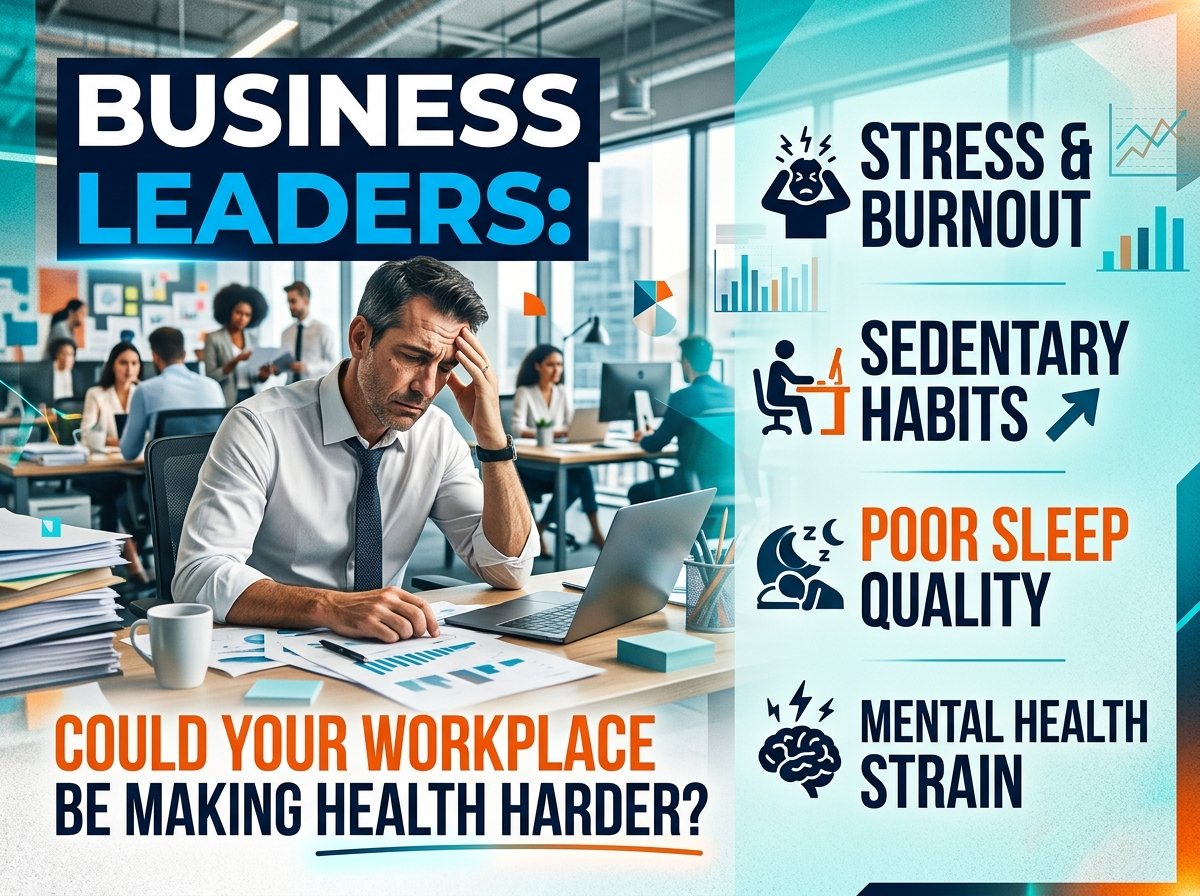
How Business Leaders Can Create a More Active Workplace
If you’re a business owner, executive, or HR professional, you may be wondering how to encourage employees to move more without disrupting productivity.
The answer is to make movement a supported part of your workplace culture.
Employees are more likely to consider healthy habits when they have the opportunity and encouragement to practice them.
Here are five ways leadership can help.
- Make Movement Breaks Acceptable
Employees shouldn’t feel guilty about standing up, stretching, or taking a short walk.
Encourage managers to support reasonable movement breaks throughout the day.
When leadership demonstrates that employee well-being matters, it can help establish healthier workplace expectations.
- Encourage Walking Meetings
Give teams permission to consider walking meetings when appropriate.
Leaders can set an example by occasionally taking meetings outdoors or walking with employees during informal discussions.
Make sure seated and virtual alternatives remain available.
- Provide Desk-Friendly Movement Resources
Not everyone knows which exercises or stretches are appropriate to perform at work.
Provide simple educational materials that demonstrate practical movements employees can incorporate into their day.
These might include:
- Desk-friendly mobility routines.
- Short movement-break videos.
- Office stretching guides.
- Beginner-friendly fitness resources.
- Simple daily activity challenges.
The easier the information is to understand and use, the more practical it becomes.
- Offer Workplace Wellness Education
Movement is only one part of employee well-being.
Consider offering educational workshops covering fitness, nutrition, stress management, sleep, and recovery.
Employees benefit from learning how to make healthier decisions outside the workplace as well as during the workday.
For example, a nutrition workshop could help employees understand how to build balanced meals, prepare quick lunches, and make practical food choices during busy weeks.
- Make Wellness Accessible to Everyone
Employees have different fitness levels, physical abilities, work schedules, and personal responsibilities.
A successful corporate wellness program should offer different ways to participate.
Consider onsite and virtual activities, flexible challenges, short educational webinars, and resources employees can use independently.
The objective isn’t to force everyone into the same routine. It’s to provide opportunities that make healthy choices more accessible.
The Connection Between Movement, Nutrition, and Workplace Wellness
Movement is important, but a well-rounded approach to employee health should include more than exercise.
Fitness, nutrition, stress management, sleep, and recovery all play a role in overall well-being.
For example, employees who spend long hours sitting may also have difficulty finding time to prepare balanced meals or manage stress during demanding workweeks.
A comprehensive corporate wellness strategy can address these areas together.
Consider these practical starting points:
Wellness Area | Practical Workplace Strategy |
Physical activity | Encourage short movement breaks and walking meetings. |
Fitness | Provide accessible strength and conditioning resources. |
Nutrition | Share simple meal-planning and balanced eating education. |
Stress management | Offer workshops on stress-management techniques. |
Recovery | Provide education about sleep, rest, and healthy routines. |
Employee engagement | Create flexible activities and challenges employees can participate in. |
The best approach is one that reflects your organization’s needs and gives employees realistic opportunities to improve their habits.
How to Build a Simple Daily Movement Routine
If you’re ready to move more during the workday, here’s an example of how you could structure your routine.
Time of Day | Movement Opportunity |
Start of workday | Take a brief walk or perform a few mobility exercises. |
Midmorning | Stand up and move between tasks. |
Before lunch | Take a short walk or stretch. |
After lunch | Walk for 5–10 minutes. |
Afternoon | Take a movement break between meetings. |
End of workday | Walk briefly before heading home. |
You don’t have to follow this schedule exactly.
Use it as a starting point and adjust it to your work responsibilities, physical abilities, and personal preferences.
The goal is to avoid spending the entire day in one position.
Your 7-Day Workplace Movement Challenge
Want to put these ideas into practice?
Try this simple seven-day challenge.
Day 1: Stand up and move between meetings.
Day 2: Set a reminder to take a short movement break during the workday.
Day 3: Add a few minutes of hip and upper-back mobility exercises.
Day 4: Take a walking meeting if the topic and circumstances allow.
Day 5: Take a 5–10-minute walk during lunch.
Day 6: Find three opportunities to add movement to your normal daily routine.
Day 7: Reflect on what worked and choose two habits to continue next week.
You can repeat the challenge, gradually increasing your activity as your schedule and fitness level allow.
For business leaders, this could also be an easy way to introduce a simple employee wellness challenge.
Keep participation flexible, encourage employees to work within their abilities, and focus on consistency rather than competition.
A Healthier Workplace Starts With Small Changes
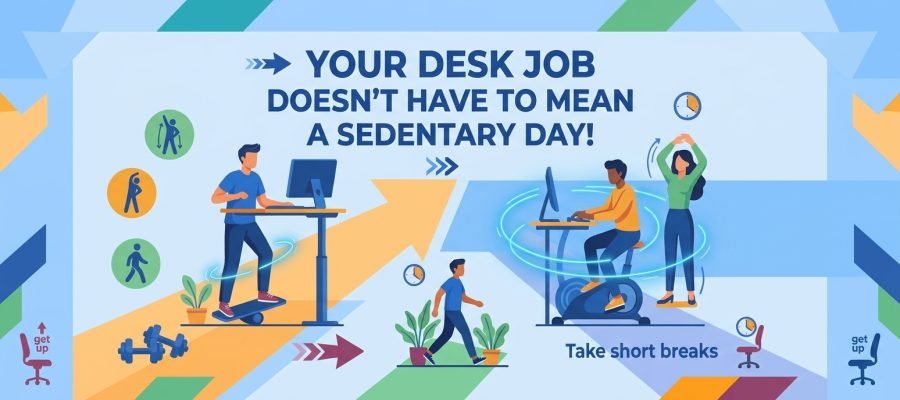
A desk job doesn’t have to mean spending the entire day sitting.
You can begin by standing between meetings, taking a few minutes to stretch, scheduling a walking meeting, or getting outside during lunch.
These simple changes may seem small, but they can help make regular movement part of your daily routine.
For business owners and HR leaders, encouraging employees to move more is a practical starting point for building a workplace culture that supports well-being.
At Destiny Management, we believe fitness and nutrition should fit into people’s lifestyles. That includes the workplace.
With more than 30 years of experience in fitness and nutrition, I help individuals and organizations develop practical strategies that support healthier habits, improved physical conditioning, and sustainable lifestyle changes.
Your employees don’t need another complicated wellness initiative. They need realistic opportunities to make healthier choices.
Ready to Build a Healthier Workplace?
If you’re a business owner, executive, or HR professional looking for practical ways to support employee wellness, let’s talk.
Destiny Management offers corporate wellness strategies that can incorporate:
- Fitness and movement programs.
- Employee fitness and nutrition education.
- Workplace wellness assessments.
- Stress-management workshops.
- Onsite, virtual, and hybrid wellness opportunities.
- Customized programs designed around your organization’s needs.
Schedule your FREE Wellness Roadmap Session to discuss your company’s goals, identify opportunities for improvement, and explore practical next steps.
Let’s Build the Best You!
Please review our business on Google Yelp Facebook
Please visit our Members’ Area to access 100s of health and fitness topics and
Join Our Community to access shared knowledge, tips, tutorials, industry insights, and diverse viewpoints that aren’t easily found elsewhere.
Did you know you can work out and exercise with a trainer at your home, office, hotel room, or anywhere in the world with online personal training?
Like us on Facebook/Connect with us on LinkedIn/Follow us on X Instagram/YouTube/Pinterest
Make sure to forward this to friends and followers!