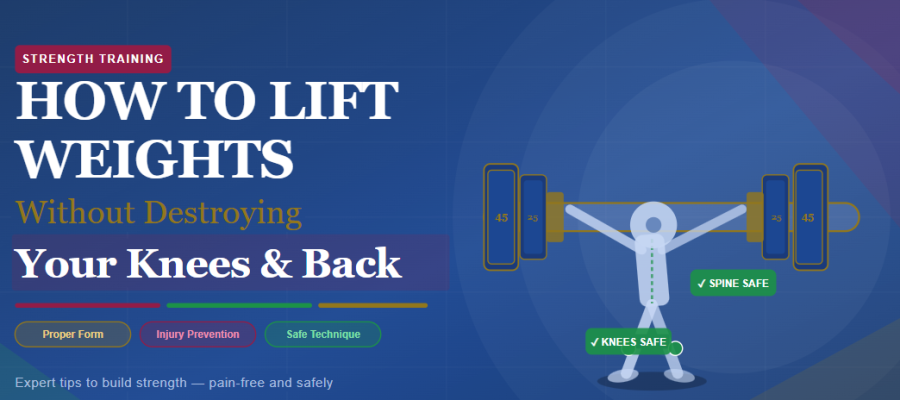

Engaging in weightlifting is not only a powerful way to build muscle and enhance physical strength but also a crucial activity for improving overall health. However, improper techniques can lead to severe injuries, particularly to sensitive areas such as your knees and back. Understanding the significance of correct weightlifting practices is essential for anyone aiming to make strength training a consistent part of their fitness routine.
Correct technique involves more than just lifting weights off the ground. It includes maintaining proper posture, using the right amount of weight, and executing each movement with precision—key aspects of effective strength training exercises. These elements work together to maximize effectiveness and minimize the risk of strain or injury. By focusing on technique, you can ensure that the benefits of weightlifting outweigh the potential risks.
Moreover, adopting proper weightlifting techniques can lead to improved performance in other physical activities. Whether you’re an athlete or a fitness enthusiast, mastering these techniques can enhance your agility, balance, and coordination, contributing to overall better health and physical capability.
Common Injuries Related to Weightlifting
Weightlifting, despite its benefits, poses certain risks if not performed correctly. The most common injuries related to weightlifting include strains and sprains, particularly in the lower back and knees. These injuries often result from lifting weights that are too heavy, using improper form, or neglecting adequate warm-up exercises, even when using supplements like a mass gainer to support fitness goals.
Back injuries are prevalent, often due to poor lifting techniques that place undue pressure on the spine. This can lead to herniated discs or chronic back pain, conditions that can be debilitating and require long-term treatment. It’s crucial to maintain a straight back and engage the core muscles to protect the spine during lifting.
Knee injuries are another common concern, often resulting from poor alignment or excessive weight. These injuries can manifest as tendonitis or even ligament tears, which can severely impact mobility. Ensuring that your knees remain aligned with your toes and avoiding sudden, jerky movements can help prevent these types of injuries, while guidance from an online weight loss doctor can support safer training and overall fitness management.
Key Principles for Safe Weightlifting
Adhering to key principles of safe weightlifting can significantly reduce the risk of injury. First and foremost, always prioritize form over weight. It’s better to lift lighter weights with proper technique than to struggle with heavier weights that compromise your posture and control.
Another critical principle is to focus on gradual progression. Increasing the weight you lift should be a slow and deliberate process. This approach not only helps prevent injuries but also allows your muscles and joints to adapt to the increased load, building strength over time.
Consistency is also vital. Regular practice of proper techniques reinforces muscle memory, making it easier to maintain correct form. This consistency, coupled with adequate rest and recovery, supports your overall body transformation and ensures that your body remains resilient and capable of handling the demands of weightlifting.
Warm-Up Exercises to Prepare Your Body
Warming up is a non-negotiable part of any weightlifting routine. It prepares your muscles, joints, and cardiovascular system for the physical demands ahead. A good warm-up increases blood flow to your muscles, improves flexibility, and enhances overall performance.
Begin your warm-up with five to ten minutes of light cardiovascular activity, such as jogging or jumping jacks. This elevates your heart rate and prepares your body for more intense physical activity. Follow this with dynamic stretches, focusing on the muscle groups you plan to work on during your session.
Incorporate specific movements like bodyweight squats and arm circles to loosen up your joints and muscles. These exercises mimic the movements you’ll perform during weightlifting, helping prevent injuries by improving range of motion and flexibility.
The Role of Proper Equipment in Preventing Injury
Using the right equipment is crucial in preventing injuries during weightlifting. Proper footwear, for instance, provides stability and support, reducing the risk of slips and falls. Weightlifting shoes often have a firm sole that aids in maintaining balance and posture.
Weightlifting belts can offer additional support for your lower back, particularly during heavy lifts like squats and deadlifts. However, they should not be relied upon solely; instead, they should complement a strong core developed through proper technique and training.
Also, consider using gloves or chalk to improve your grip on the weights. A secure grip reduces the likelihood of weights slipping from your hands, which can lead to accidents and injuries. By investing in the right equipment, you create a safer environment for your weightlifting sessions.
Techniques for Lifting Weights Safely
When it comes to lifting weights safely, several techniques can help protect your knees and back. Always start with a neutral spine position to reduce the risk of spinal injuries. Engage your core muscles to stabilize your body and distribute the weight evenly.
Position your feet shoulder-width apart and ensure your knees are slightly bent. This stance provides a stable base and helps prevent knee injuries. As you lift, focus on controlled movements, avoiding any sudden or jerky motions that could strain your muscles or joints.
Another essential technique is to breathe correctly. Inhale before lifting and exhale as you exert effort. This breathing pattern helps maintain core stability and provides the necessary oxygen to your muscles, enhancing performance and reducing fatigue.
The Best Weightlifting Exercises for Knee and Back Safety
Choosing the right exercises is pivotal for ensuring knee and back safety during weightlifting. Some of the best exercises include:
- Goblet Squats: These target your legs and core without placing excessive strain on your knees or back. Holding a weight close to your chest helps maintain a straight back and proper alignment.
- Deadlifts: When performed correctly, deadlifts strengthen the entire posterior chain, including the lower back. Ensure you maintain a neutral spine and engage your core throughout the movement.
- Lunges: These exercises improve balance and strengthen the legs without requiring heavy weights. Keep your front knee aligned with your ankle to prevent strain.
Incorporating these exercises into your routine can help build strength while minimizing the risk of injury to your knees and back.
How to Listen to Your Body During Workouts
Listening to your body is an essential skill that can prevent overtraining and injuries. Pay attention to any discomfort or pain during workouts; these are signals that something may be wrong. Distinguish between the normal muscle burn from exertion and pain that could indicate an injury.
Adjust your workout intensity based on how your body feels. If you’re experiencing fatigue or soreness, consider reducing the weight or volume of your exercises. It’s crucial to recognize your limits and avoid pushing yourself too hard, which can lead to burnout or injury.
Additionally, stay hydrated and maintain proper nutrition to support your body’s recovery and performance. Adequate hydration and nutrients help maintain energy levels and facilitate muscle repair, enabling you to train safely and effectively.
The Importance of Recovery and Rest Days
Recovery and rest are just as important as the workout itself. They provide your muscles with the necessary time to repair and grow stronger. Without adequate rest, you risk overtraining, which can lead to fatigue, decreased performance, and increased injury risk.
Schedule regular rest days into your workout routine, allowing your body to recuperate from the physical demands of weightlifting. Use these days for light activities such as walking or yoga, which can aid in recovery without putting additional strain on your muscles.
Sleep is another critical component of recovery. Aim for 7-9 hours of quality sleep each night to support muscle growth and repair. During sleep, your body releases growth hormones that facilitate tissue recovery and regeneration, ensuring you’re ready for your next workout session.
Conclusion: Building Strength Safely
Building strength safely requires a commitment to proper technique, gradual progression, and adequate recovery. By prioritizing these elements, you can enjoy the many benefits of weightlifting without compromising your knees and back. Remember, the goal is to enhance your physical capabilities while minimizing the risks associated with this powerful form of exercise.
To further aid your journey towards safe weightlifting, consider consulting with a fitness professional. Personalized guidance can help you refine your techniques and develop a tailored program that aligns with your fitness goals and needs.
Please review our business on Google Yelp Facebook
Please visit our Members’ Area to access 100s of health and fitness topics and
Join Our Community to access shared knowledge, tips, tutorials, industry insights, and diverse viewpoints that aren’t easily found elsewhere.
Did you know you can work out and exercise with a trainer at your home, office, hotel room, or anywhere in the world with online personal training?
Like us on Facebook/Connect with us on LinkedIn/Follow us on X/
Make sure to forward this to friends and followers!