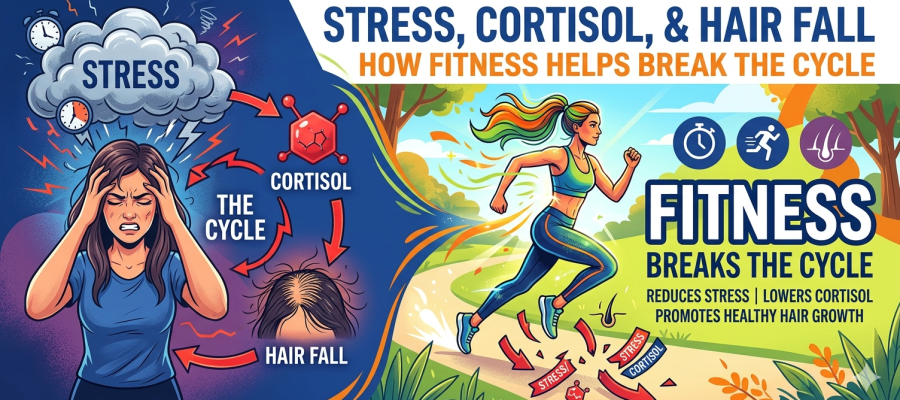

Hair fall can be a distressing experience, and understanding its underlying causes is crucial. One significant factor often overlooked is stress. Stress triggers various hormonal changes in your body, leading to a condition known as telogen effluvium, where hair prematurely enters the shedding phase. This condition is usually temporary, but chronic stress can prolong its effects, leading to noticeable hair thinning.
When you are stressed, your body releases a hormone known as cortisol. Elevated cortisol levels can disrupt the hair growth cycle, causing hair follicles to enter the resting phase too soon. This hormonal imbalance not only affects your hair but can also impact your overall well-being, and is also sometimes seen in conditions like polycystic ovary syndrome. Stress-induced hair loss underscores the importance of managing stress effectively to maintain healthy hair.
Understanding the stress-hair fall connection empowers you to take proactive measures. By addressing stress head-on, you can reduce its impact on your hair health. Stress management techniques, such as exercise, mindfulness, and adequate rest, are pivotal components in breaking the cycle of stress-induced hair fall.
The Role of Cortisol in Hair Health
Cortisol, often termed the “stress hormone,” plays a crucial role in your body’s response to stress. While it is essential for several bodily functions, chronic elevation of cortisol can be detrimental to your hair health. High cortisol levels can interfere with the normal functioning of hair follicles, leading to hair thinning and shedding.
Prolonged exposure to cortisol can also result in reduced keratin production, a protein vital for hair strength and growth. This reduction can make your hair brittle and more prone to breakage. Additionally, cortisol can constrict blood vessels, reducing blood flow to the scalp and depriving hair follicles of essential nutrients and oxygen, further exacerbating hair loss.
Therefore, managing cortisol levels is not just about reducing stress but also about preserving your hair’s vitality. By understanding cortisol’s impact on hair health, you can take steps to mitigate its effects through lifestyle changes, dietary adjustments, stress management techniques, and treatments like microneedling that are often used to support hair health.
The Benefits of Fitness for Stress Reduction
Engaging in regular physical activity is one of the most effective ways to reduce stress and improve overall health. Exercise triggers the release of endorphins, known as the body’s natural mood elevators. These chemicals interact with receptors in your brain to reduce the perception of pain and promote a positive feeling in the body, akin to that of morphine.
Fitness activities can also serve as a distraction, allowing you to find some quiet time to break out of the cycle of negative thoughts that feed stress. By focusing on your body’s movements, you can experience a sense of accomplishment, leading to increased self-confidence and reduced anxiety.
Furthermore, regular exercise can improve sleep quality, which is often disrupted by stress, depression, and anxiety. With better sleep, your body is more capable of regulating cortisol levels naturally, contributing to both mental well-being and physical health, including hair growth.
How Exercise Lowers Cortisol Levels
Exercise plays a fundamental role in balancing your body’s hormones, including cortisol. When you engage in physical activities, your body produces endorphins, which help counteract the effects of cortisol. This hormonal balance is crucial for maintaining both physical and mental health.
Physical activity also aids in reducing the levels of adrenaline, another stress hormone. By lowering adrenaline and cortisol levels, exercise not only helps in stress management but also enhances your body’s ability to use oxygen and improve overall cardiovascular health.
Moreover, exercise promotes a better mood and helps in regulating sleep patterns, both of which are crucial in managing cortisol levels. Consistent physical activity can lead to long-term improvements in stress management and cortisol regulation, providing benefits that extend beyond hair health.
Different Types of Exercise and Their Impact on Stress Relief
Various forms of exercise can be beneficial in managing stress and reducing cortisol levels. It’s important to choose activities that you enjoy, as this will increase your likelihood of maintaining a consistent routine. Here are some types of exercises that can effectively relieve stress:
- Aerobic Exercise: Activities such as running, cycling, or swimming increase your heart rate, promoting better circulation and endorphin release. These exercises are excellent for stress reduction and improving mood.
- Strength Training: Lifting weights or engaging in resistance exercises can enhance muscle strength and endurance. This type of exercise can also lead to improved self-esteem and body image, contributing to stress reduction.
- Yoga and Meditation: Combining physical postures, breathing exercises, and meditation, yoga is renowned for its stress-relieving properties. It helps in calming the mind and reducing cortisol levels.
- Mindfulness and Tai Chi: These practices focus on the mind-body connection, promoting relaxation and stress reduction. They can be particularly effective in lowering cortisol levels and improving mental clarity.
Incorporating a mix of these exercises into your routine can provide comprehensive benefits for stress management and overall health.
Creating a Fitness Routine to Combat Stress and Hair Fall
Creating a personalized fitness routine is essential for effectively managing stress and promoting healthy hair growth. Start by setting realistic goals that align with your lifestyle and preferences. This approach will help you stay motivated and committed to your fitness journey.
Consider incorporating a variety of exercises to keep your routine engaging and balanced. Aim for at least 150 minutes of moderate aerobic activity or 75 minutes of vigorous activity each week, combined with strength training exercises on two or more days. This balanced approach will ensure you address both cardiovascular health and muscle strength.
Remember, consistency is key. Establish a routine that you can maintain over the long term, and don’t hesitate to adjust it as needed. Whether you prefer morning workouts or evening sessions, find a schedule that suits you best. A consistent fitness routine will not only help manage stress but also contribute to improved hair health.
Nutritional Support for Hair Health and Stress Management
Nourishing your body with the right nutrients is crucial for both hair health and stress management. A well-balanced diet can support your fitness routine and enhance the benefits of exercise, ensuring optimal hair growth and overall well-being.
- Protein: Hair is primarily made of protein, so ensure your diet includes adequate amounts of lean meats, fish, eggs, and plant-based proteins like beans and lentils.
- Vitamins and Minerals: Vitamin C, E, and B-complex vitamins, along with minerals like zinc, iron, and magnesium, play a vital role in hair health and stress reduction. Incorporate a variety of fruits, vegetables, nuts, and seeds to obtain these essential nutrients.
- Omega-3 Fatty Acids: Found in fatty fish, flaxseeds, and walnuts, omega-3 fatty acids support scalp health and reduce inflammation, promoting hair growth and stress management.
Staying hydrated is also essential, as dehydration can exacerbate stress levels and impact hair health. Aim to drink plenty of water throughout the day and limit your intake of caffeine and alcohol, which can contribute to dehydration and stress.
Additional Strategies for Managing Stress and Promoting Hair Growth
In addition to exercise and nutrition, several other strategies can help manage stress and promote hair growth. Incorporating these practices into your lifestyle can provide a holistic approach to addressing stress-induced hair fall.
- Mindfulness and Relaxation Techniques: Practices such as meditation, deep breathing, and progressive muscle relaxation can help calm the mind and reduce stress. These techniques can be easily incorporated into your daily routine to support mental well-being.
- Adequate Sleep: Quality sleep is essential for stress management and overall health. Aim for 7-9 hours of sleep each night to facilitate optimal hormone regulation and hair growth.
- Professional Support: If stress becomes overwhelming, consider seeking support from a mental health professional. Therapy or counseling can provide valuable tools for coping with stress and improving overall well-being.
By combining these strategies with a regular fitness routine and balanced nutrition, you can effectively manage stress and promote healthier hair growth.
Conclusion: Embracing Fitness as a Lifestyle for Healthier Hair
Embracing fitness as a lifestyle can significantly impact your physical and mental well-being, including the health of your hair. By incorporating regular exercise, balanced nutrition, and stress management techniques into your daily routine, you can break the cycle of stress-induced hair fall and promote healthier hair growth.
Remember, the journey to healthier hair is a holistic one that involves caring for both your body and mind. Start by setting achievable goals and gradually build a routine that you enjoy and can maintain long-term. With dedication and consistency, you can reduce stress, balance cortisol levels, and enjoy the benefits of vibrant, healthy hair.
Please review our business on Google Yelp Facebook
Please visit our Members’ Area to access 100s of health and fitness topics and
Join Our Community to access shared knowledge, tips, tutorials, industry insights, and diverse viewpoints that aren’t easily found elsewhere.
Did you know you can work out and exercise with a trainer at your home, office, hotel room, or anywhere in the world with online personal training?
Like us on Facebook/Connect with us on LinkedIn/Follow us on X/
Make sure to forward this to friends and followers!