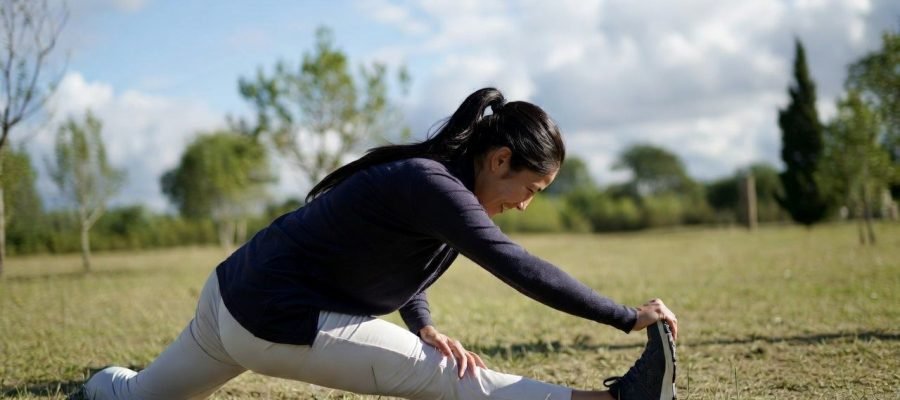

As we age, stiffness can sneak up on us—making everyday movements feel harder than they should. Reaching overhead, bending down, or even turning in bed can become uncomfortable. The good news? Regular stretching can help restore mobility, reduce injury risk, and improve how you feel day and night.
At Destiny Management, we believe stretching isn’t optional—it’s essential for healthy aging.
Why Stretching Matters as You Age
Over time, muscles naturally shorten and tighten, especially when we sit more and move less. This tightness limits range of motion, affects posture, and increases the risk of strains or falls.
Consistent stretching helps by:
- Improving flexibility and joint mobility
- Reducing muscle tension and stiffness
- Supporting better balance and posture
- Lowering the risk of injury during daily activities
- Promoting relaxation and stress relief
Stretching doesn’t have to be intense to be effective. Gentle, controlled movements work best.
The Role of Deep Breathing
Stretching works even better when paired with deep, relaxed breathing. Slow breathing helps calm the nervous system, increase oxygen flow, and allow muscles to relax more fully.
Simple breathing pattern to use while stretching:
- Inhale slowly through your nose for 4 seconds
- Exhale gently through your mouth for 6 seconds
This helps your body release tension and move more comfortably.
Key Areas to Stretch for Better Movement
Focusing on the back, hips, and shoulders can make a noticeable difference in how you move—and how you sleep.
- Back Stretches
Gentle back stretches help reduce stiffness and support better posture.
- Seated forward bends
- Gentle spinal twists
- Cat-cow movements (seated or standing)
Benefit: Eases lower-back tension and improves daily mobility.
- Hip Stretches
Tight hips can affect walking, balance, and comfort when sitting or standing.
- Seated hip openers
- Standing hip flexor stretches with support
- Figure-four stretch using a chair
Benefit: Improves stride length and reduces stress on the knees and lower back.
- Shoulder Stretches
Shoulders often hold stress, especially from poor posture or tension.
- Arm circles
- Cross-body shoulder stretches
- Chest-opening stretches
Benefit: Makes reaching, lifting, and daily tasks easier and pain-free.
How Stretching Improves Sleep
Stretching in the evening helps your body unwind. By releasing tight muscles and calming your nervous system, you may:
- Fall asleep faster
- Experience fewer nighttime aches
- Wake up feeling less stiff
Even 5–10 minutes before bed can make a difference.
How Often Should You Stretch?
Aim to stretch daily, or at least 4–5 times per week. Hold each stretch for 15–30 seconds, moving slowly and never forcing a position.
Consistency—not intensity—is the key.
Start Small and Feel the Difference
You don’t need a long routine. A few gentle stretches, paired with deep breathing, can improve how you move, reduce injury risk, and help you sleep better.
Stretching is one of the simplest ways to care for your body—today and for years to come.
Please review our business on Google Yelp Facebook
Please visit our Members’ Area to access 100s of health and fitness topics and
Join Our Community to access shared knowledge, tips, tutorials, industry insights, and diverse viewpoints that aren’t easily found elsewhere.
Did you know you can work out and exercise with a trainer at your home, office, hotel room, or anywhere in the world with online personal training?
Like us on Facebook/Connect with us on LinkedIn/Follow us on X/Pinterest/Instagram/YouTube
Make sure to forward this to friends and followers!