
In today’s fast-paced world, high performers are often celebrated for their exceptional abilities and achievements. You may be one of those individuals who consistently exceed expectations, setting new standards in your professional and personal life. However, with great success comes an increased risk of burnout. While high performers often seem invincible, they are surprisingly vulnerable to the debilitating effects of stress and exhaustion.
Burnout is not just a temporary phase of feeling tired; it’s a serious condition that can affect your mental, physical, and emotional well-being. As a high achiever, you might push yourself to the limit, whether you’re striving for career success, academic excellence, or a major body transformation, often ignoring the warning signs of burnout. This article aims to shed light on the hidden vulnerabilities of high performers, helping you recognize and mitigate the risks associated with your relentless pursuit of excellence.
Understanding the interplay between high performance and burnout is crucial for maintaining long-term health and productivity. By exploring the unique challenges that high achievers face, you can develop strategies to protect yourself from burnout and continue to thrive in your endeavors.
Defining Burnout: Symptoms and Causes
Burnout is a state of chronic physical and emotional exhaustion, often accompanied by a sense of reduced accomplishment and loss of personal identity. As someone striving for excellence, you may find it challenging to admit when you’re feeling overwhelmed. While self-care strategies such as adequate sleep, stress management, and nutrients like Magnesium Glycinate may support overall well-being, recognizing the symptoms of burnout is the first step toward preventing it.
Common symptoms of burnout include:
- Physical Symptoms: Chronic fatigue, insomnia, frequent headaches, and an increased susceptibility to illness.
- Emotional Symptoms: Feelings of helplessness, detachment, and a lack of motivation or enthusiasm for tasks that once brought joy.
- Behavioral Symptoms: Withdrawal from responsibilities, procrastination, and increased irritability or impatience with colleagues and loved ones.
The causes of burnout are multifaceted, often stemming from prolonged stress, unrealistic expectations, and a lack of support. For high performers like you, the constant pressure to maintain exceptional standards can lead to an overwhelming sense of responsibility and the fear of failure.
The Psychology of High Performers
As a high performer, you likely possess certain psychological traits that drive you to excel. These characteristics can include a strong sense of ambition, a relentless pursuit of goals, and a desire for continuous improvement. While these traits contribute to your success, they can also make you more susceptible to burnout.
The intense focus and determination that fuel your achievements can sometimes lead to an imbalance in other areas of your life. You may prioritize work over personal relationships or neglect self-care in favor of reaching the next milestone. This single-mindedness, though beneficial in achieving short-term goals, can have detrimental effects on your long-term well-being.
Understanding the psychology behind your drive is essential in identifying potential vulnerabilities. By acknowledging the pressures you place on yourself, you can begin to create a more balanced approach to success, one that safeguards your mental and physical health.
Common Triggers of Burnout in High Achievers
High achievers like you often face unique stressors that can trigger burnout. Recognizing these triggers can help you take proactive steps to manage stress and prevent burnout from taking hold.
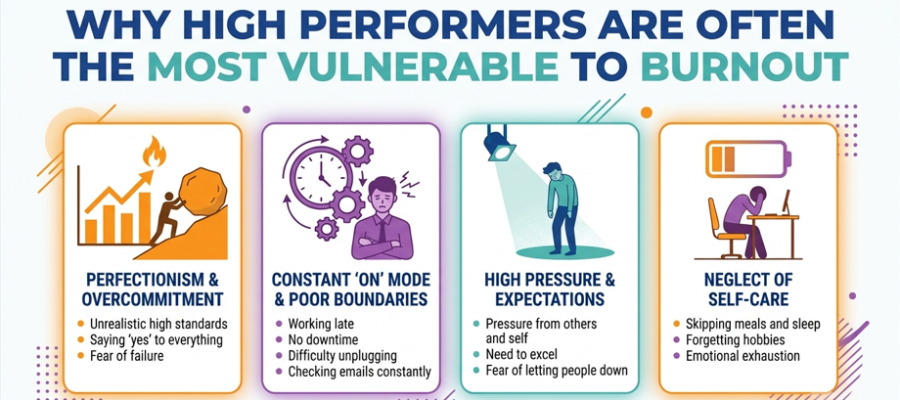
- Perfectionism: Striving for perfection can lead to unrealistic expectations and an inability to accept failure. This constant pressure can create a cycle of stress and disappointment.
- Overcommitment: Taking on too many responsibilities can spread you thin, leaving little time for rest and recovery. Learn to say no and prioritize tasks that align with your core values.
- Lack of Recognition: Despite your hard work, you may feel undervalued or overlooked. This can lead to frustration and a sense of futility, further fueling burnout.
- Isolation: High performers might isolate themselves in their pursuit of excellence, missing out on valuable support networks. Cultivating relationships with peers and mentors can provide much-needed encouragement and perspective.
By identifying these common triggers, you can develop strategies to mitigate their impact, ensuring that your path to success remains sustainable and fulfilling.
The Impact of Perfectionism on Mental Health
Perfectionism is a double-edged sword. On one hand, it drives you to achieve remarkable feats; on the other, it can be a significant contributor to mental health challenges. As a high performer, you may set unrealistically high standards for yourself, leading to a constant feeling of inadequacy and self-criticism when those standards are not met.
This relentless pursuit of flawlessness can lead to anxiety, depression, and a pervasive sense of dissatisfaction. You may find it difficult to celebrate your successes, focusing instead on what you perceive as shortcomings. This mindset can create a vicious cycle where you push yourself harder, only to feel more stressed and burned out.
To combat the negative effects of perfectionism, it’s essential to adopt a mindset of self-compassion and acceptance. Recognize that mistakes are a natural part of growth and that imperfection is not synonymous with failure. By redefining your standards and setting realistic goals, you can maintain your drive for excellence without sacrificing your mental health.
The Role of Work-Life Balance in Preventing Burnout
Achieving a healthy work-life balance is crucial for preventing burnout, especially for high performers who tend to blur the lines between professional and personal life. You might find yourself working long hours, sacrificing leisure and family time in the pursuit of career goals. However, neglecting these aspects can lead to a rapid decline in well-being.
To cultivate a balanced lifestyle, consider the following strategies:
- Set Boundaries: Clearly define your work hours and stick to them. Resist the urge to check emails or engage in work-related tasks during personal time.
- Prioritize Self-Care: Make time for activities that rejuvenate you, whether it’s exercise, hobbies, or spending time with loved ones. These activities are essential for maintaining mental and physical health.
- Practice Mindfulness: Incorporate mindfulness practices, such as meditation or deep breathing exercises, into your daily routine to reduce stress and enhance focus.
By prioritizing work-life balance, you can create a sustainable environment where your professional achievements coexist with personal fulfillment and well-being.
Recognizing the Early Signs of Burnout
Recognizing the early signs of burnout is vital in taking preventive action before the condition worsens. As a high performer, you may be accustomed to pushing through difficulties, but ignoring these warning signs can lead to severe consequences.
Some early indicators of burnout include:
- Decreased Productivity: Struggling to concentrate or complete tasks that once seemed effortless.
- Emotional Exhaustion: Feeling overwhelmed, cynical, or detached from your work and colleagues.
- Physical Symptoms: Frequent headaches, muscle tension, or unexplained aches and pains.
If you notice these symptoms, it’s crucial to take them seriously. Engage in self-reflection and assess your current workload, stress levels, and overall satisfaction. By acknowledging these early signs, you can implement changes to prevent burnout from escalating.
Coping Strategies for High Performers
As a high performer, developing effective coping strategies is essential for managing stress and maintaining your well-being. Here are some strategies to help you navigate the challenges of high achievement:
- Time Management: Prioritize tasks based on importance and urgency. Employ techniques like the Eisenhower Box or Pomodoro Technique to enhance productivity without overextending yourself.
- Seek Support: Build a network of peers, mentors, and friends who understand your challenges and can offer guidance and encouragement.
- Set Realistic Goals: Break larger objectives into smaller, manageable tasks. Celebrate each achievement, no matter how small, to maintain motivation and a sense of progress.
By integrating these strategies into your routine, you can better manage stress and prevent burnout from undermining your success.
When to Seek Professional Help
While self-care and coping strategies are essential, there may come a time when seeking professional help is necessary. As a high performer, you might hesitate to ask for assistance, viewing it as a sign of weakness. However, reaching out to a mental health professional is a proactive step in safeguarding your well-being.
Consider seeking professional help if:
- Persistent Symptoms: You experience ongoing symptoms of burnout that do not improve with self-care measures.
- Impact on Daily Life: Burnout begins to interfere with your ability to function effectively at work or in personal relationships.
- Emotional Distress: You feel overwhelmed by emotions such as anxiety, depression, or hopelessness.
Therapists and counselors can provide valuable tools and techniques to help you manage stress, build resilience, and restore balance in your life. Don’t hesitate to seek support when needed; it can be a transformative step on your journey to recovery.
Conclusion: Fostering Resilience in High Performers
Fostering resilience is key to thriving as a high performer without succumbing to burnout. By understanding the unique vulnerabilities you face, you can take proactive measures to protect your mental and physical health. Embrace a holistic approach that incorporates self-care, realistic goal-setting, and a strong support network.
Remember, true success is not measured solely by achievements, but also by your ability to maintain a fulfilling and balanced life. By prioritizing resilience, you can continue to excel while safeguarding your well-being for the long haul.
Please review our business on Google Yelp Facebook
Please visit our Members’ Area to access 100s of health and fitness topics and
Join Our Community to access shared knowledge, tips, tutorials, industry insights, and diverse viewpoints that aren’t easily found elsewhere.
Did you know you can work out and exercise with a trainer at your home, office, hotel room, or anywhere in the world with online personal training?
Like us on Facebook/Connect with us on LinkedIn/Follow us on X Instagram/YouTube/Pinterest
Make sure to forward this to friends and followers!