
Diabetes is a chronic condition that affects how your body processes glucose, a crucial energy source. Beyond its well-known implications for blood sugar regulation, diabetes can significantly impact your joints, leading to discomfort and pain. High blood sugar levels can lead to inflammation, which may contribute to joint pain, particularly in the back and knees. This pain is often exacerbated by neuropathy, a condition where nerve damage occurs due to prolonged high blood sugar levels.
The link between diabetes and joint pain is complex but understanding it can help you manage your symptoms more effectively, including knee pain. For instance, diabetes can lead to a condition known as diabetic arthropathy, characterized by joint swelling and pain. This occurs due to the accumulation of advanced glycation end products (AGEs) in the connective tissues, which can harden and lose flexibility over time.
Managing joint pain associated with diabetes necessitates a comprehensive approach that includes lifestyle changes, medical treatment, and alternative therapies. By understanding the underlying causes of your joint pain, you can tailor your approach to address these issues more effectively, leading to improved quality of life.
Common Types of Pain Associated with Diabetes
Diabetes can manifest in several ways when it comes to pain. The most common types include neuropathic pain, musculoskeletal pain, and diabetic amyotrophy. Neuropathic pain arises from nerve damage and is often described as a burning, tingling, or stabbing sensation. It typically affects the feet and legs but can also occur in the back and knees.
Musculoskeletal pain, on the other hand, is related to the wear and tear of muscles, bones, and joints. It can lead to conditions such as frozen shoulder and carpal tunnel syndrome. This type of pain is often the result of limited physical activity and the inflammatory effects of high blood sugar levels.
Diabetic amyotrophy is less common but particularly severe. It involves muscle weakness and pain, usually in the thighs, hips, or buttocks. Understanding these various forms of pain can help you identify which type you might be experiencing and enable you to seek appropriate treatment options.
The Connection Between Diabetes and Back Pain
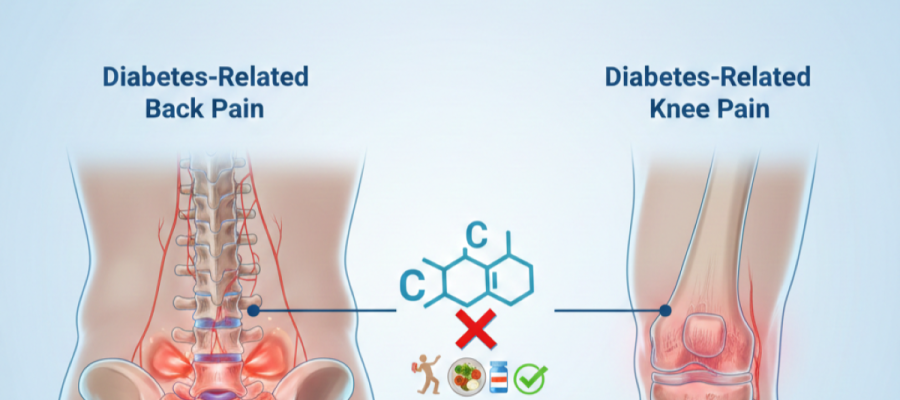
Back pain is a frequent complaint among individuals with diabetes, often originating from neuropathy or musculoskeletal issues. The spine is susceptible to nerve damage, just like other parts of the body, making it a common site for pain. Elevated blood sugar levels can exacerbate this by causing inflammation and further nerve damage.
Moreover, diabetic individuals may experience a condition known as diabetic neuropathy, which affects the nerves and can lead to chronic back pain. This pain can be debilitating, making daily activities challenging and affecting overall quality of life. Additionally, obesity, which is prevalent among people with diabetes, can put additional strain on the back, contributing to pain and discomfort.
Addressing back pain in the context of diabetes requires a multifaceted approach. Weight management through diet and exercise can alleviate some of the physical strain on the back. Additionally, physical therapy, medication, and alternative treatments can help manage pain levels and improve mobility.
The Connection Between Diabetes and Knee Pain
Knee pain is another common issue faced by individuals with diabetes, often resulting from both neuropathy and musculoskeletal problems. The knees bear a significant portion of the body’s weight, and excess weight can exacerbate pain and lead to conditions such as osteoarthritis. This is particularly concerning for those with diabetes, as the condition can accelerate the degeneration of cartilage in the joints.
High blood sugar levels can contribute to inflammation in the knee joints, leading to swelling and pain. Moreover, poor circulation associated with diabetes can further complicate knee pain, delaying healing and recovery from injuries or strain. This combination of factors can make managing knee pain challenging without a comprehensive treatment plan.
To effectively manage knee pain, you should focus on maintaining a healthy weight, engaging in regular low-impact exercises like swimming or cycling, and ensuring proper blood sugar control. These strategies can help reduce inflammation and pressure on the knees, alleviating pain and improving mobility.
Effective Pain Management Strategies
Managing diabetes-related pain requires a holistic approach that includes medical treatment, lifestyle modifications, and alternative therapies. Here are some effective strategies:
- Medication: Over-the-counter pain relievers like acetaminophen and ibuprofen can help manage mild pain. For more severe pain, your doctor may prescribe medication such as antidepressants, anticonvulsants, or opioids.
- Physical Therapy: A physical therapist can design an exercise program tailored to your needs, focusing on strengthening muscles and improving flexibility without exacerbating pain.
- Weight Management: Maintaining a healthy weight is crucial for reducing pressure on your back and knees. A balanced diet and regular exercise can help you achieve and maintain a healthy weight.
- Blood Sugar Control: Keeping your blood sugar levels within the target range can prevent further nerve damage and reduce inflammation, alleviating pain.
- Stress Management: Stress can worsen pain perception. Techniques such as yoga, meditation, and deep-breathing exercises can help manage stress levels.
By combining these strategies, you can effectively manage pain and improve your overall well-being.
Importance of Physical Activity for Diabetes Management
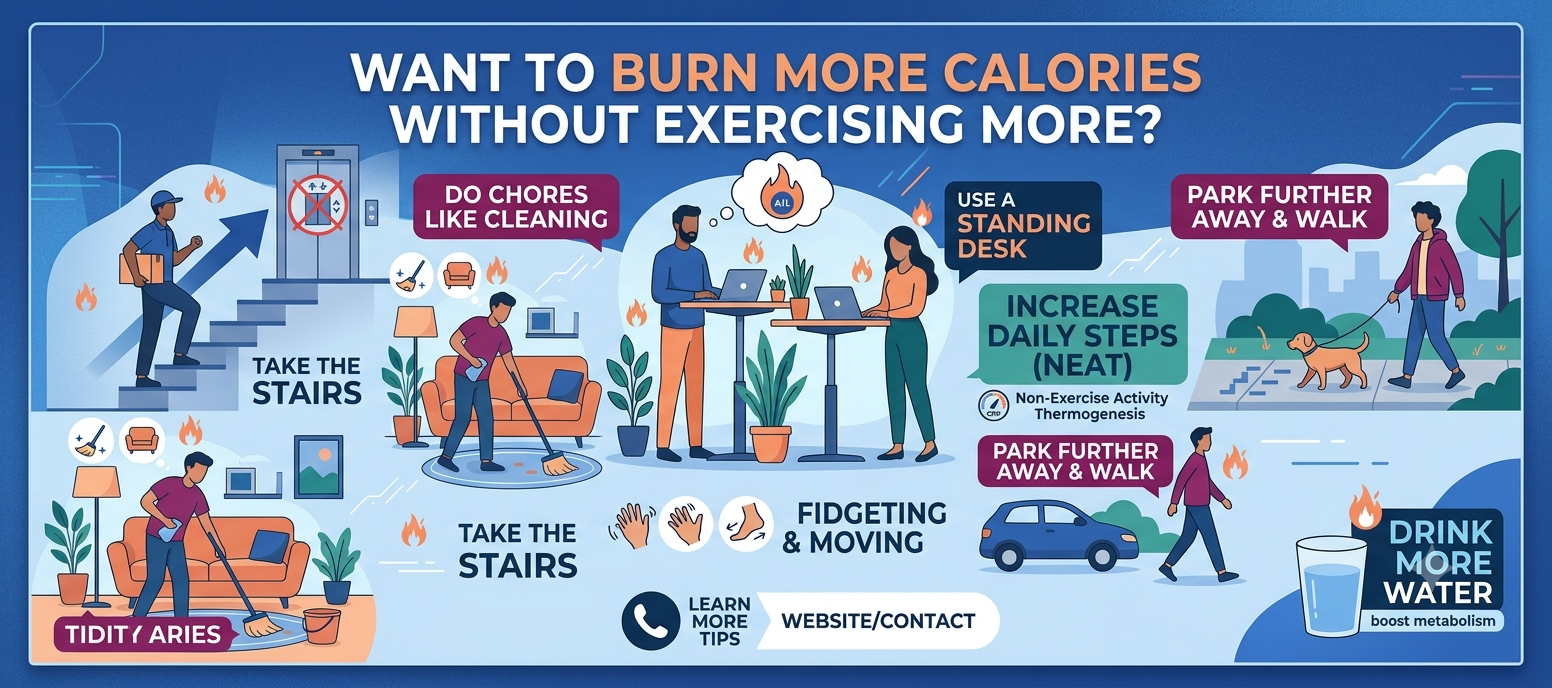
Physical activity is a cornerstone of diabetes management and plays a pivotal role in reducing pain and improving joint health. Regular exercise helps control blood sugar levels, aids weight management, and enhances cardiovascular health, all of which are essential for preventing further complications.
Engaging in low-impact exercises such as walking, swimming, or cycling can strengthen muscles, improve flexibility, and reduce joint stiffness. These activities also stimulate the release of endorphins, which are natural pain relievers that can help alleviate discomfort and improve mood.
It’s essential to consult with your healthcare provider before starting any new exercise regimen to ensure it is safe and suitable for your condition. They can help you design a program that takes into account your fitness level and any physical limitations you may have.
Dietary Considerations for Reducing Pain
Diet plays a crucial role in managing diabetes and associated joint pain. A balanced diet can help regulate blood sugar levels, reduce inflammation, and promote overall health. Here are some dietary considerations:
- Anti-Inflammatory Foods: Incorporate foods rich in omega-3 fatty acids, such as fish, walnuts, and flaxseeds, to help reduce inflammation.
- Whole Grains: Opt for whole grains like brown rice, quinoa, and oats, which have a lower glycemic index and help maintain stable blood sugar levels.
- Fruits and Vegetables: Aim to consume a variety of colorful fruits and vegetables, which are rich in antioxidants that fight inflammation.
- Limit Processed Foods: Avoid foods high in sugar, trans fats, and refined carbohydrates, as they can contribute to inflammation and weight gain.
By making mindful dietary choices, you can support your body’s ability to manage diabetes and reduce joint pain effectively.
When to Seek Professional Help
While lifestyle changes and self-care strategies can significantly improve your condition, it’s crucial to know when to seek professional help. Persistent or worsening pain, difficulty performing daily activities, or signs of infection such as redness, swelling, or warmth in the joints warrant medical attention.
Your healthcare provider can conduct a thorough assessment to determine the underlying cause of your pain and recommend appropriate treatments. This may include physical therapy, specialized medications, or referrals to a pain specialist or orthopedic surgeon for further evaluation.
Early intervention is key to preventing complications and preserving joint function. Don’t hesitate to reach out to your healthcare provider if you’re experiencing significant discomfort or if your current pain management strategies are not effective.
Alternative Therapies and Treatments
In addition to conventional treatments, alternative therapies can offer relief for diabetes-related back and knee pain. Here are a few options to consider:
- Acupuncture: This ancient Chinese technique involves inserting fine needles into specific points on the body to relieve pain and promote healing.
- Chiropractic Care: Chiropractors can perform spinal adjustments to alleviate back pain and improve joint function.
- Massage Therapy: Regular massages can reduce muscle tension, improve circulation, and decrease pain and stiffness in the joints.
- Herbal Supplements: Certain herbs, such as turmeric and ginger, have anti-inflammatory properties. However, consult your healthcare provider before starting any new supplements, as they can interact with medications.
These complementary treatments can be integrated into your overall pain management plan, offering additional relief and improving your quality of life.
Conclusion and Key Takeaways
Managing diabetes-related back and knee pain requires a multifaceted approach that addresses both the underlying causes and symptoms. Understanding the connection between diabetes and joint pain can empower you to take proactive steps toward relief.
Key strategies include:
- Maintaining a healthy weight and staying physically active.
- Adopting an anti-inflammatory diet.
- Seeking medical advice for persistent pain.
- Exploring alternative therapies for additional support.
By implementing these strategies, you can effectively manage your pain and improve your overall health and well-being.
Please review our business on Google Yelp Facebook
Please visit our Members’ Area to access 100s of health and fitness topics and
Join Our Community to access shared knowledge, tips, tutorials, industry insights, and diverse viewpoints that aren’t easily found elsewhere.
Did you know you can work out and exercise with a trainer at your home, office, hotel room, or anywhere in the world with online personal training?
Like us on Facebook/Connect with us on LinkedIn/Follow us on X/Pinterest/Instagram/YouTube
Make sure to forward this to friends and followers!